

15 Fun Dog Training Tricks to Teach Your Dog — Plus the Tips That Make Learning Stick
Everyone knows dogs need physical exercise. But here's something that surprises a lot of dog owners: mental exercise is just as important — and for many dogs, even more so.
A dog who is mentally stimulated is a dog who is calmer, happier, more focused, and significantly less likely to find their own entertainment in your couch cushions. Regular training keeps dogs sharp, builds their confidence, and deepens the bond between you and your dog in a way that nothing else quite replicates.
At Noble Beast, we've been saying this for 18 years: the dog who trains together with their owner is a different dog entirely. More connected. More responsive. More fun to live with.
So once you've worked through the foundation skills — sit, down, stay, come, leave it — what comes next? Tricks. And not just any tricks. The kind that make your dog light up, make your guests gasp, and make you wonder why you didn't start sooner.
Here are 15 of our favorites, plus everything you need to know to teach them successfully.
Why Trick Training Is More Than Just Fun
Before we get to the list, here's something worth understanding: tricks aren't just party pieces. They are serious training tools in disguise.
Every trick your dog learns builds:
- Focus — your dog learns to look to you for information, which pays dividends in every real-world situation.
- Impulse control — many tricks require your dog to hold a position, wait for a cue, or offer a specific behavior on request rather than whenever they feel like it.
- Confidence — dogs who learn new things regularly become more adaptable, more resilient, and more comfortable in new situations.
- Trust — the positive, collaborative nature of trick training tells your dog that working with you is safe, fun, and worth their full attention.
For reactive or anxious dogs especially, trick training is one of the most powerful tools available. It builds a positive emotional association with training, drains mental energy constructively, and gives you a reliable way to redirect attention in difficult moments.
Foundation First — Then Tricks
If your dog is still working on the basics, tricks can wait. We always recommend starting with a solid foundation of obedience skills first — the kind taught in our Delightful Dog Class (Level 1) and Divine Dog Class (Level 2) here in Denver.
Once those foundation skills are in place, tricks become much easier to teach. Your dog already understands how to learn. They already know a reward marker means they nailed it. They already trust the training process. Tricks are just the next exciting chapter.
15 Fun Tricks to Teach Your Dog
Here they are — 15 tricks ranging from beginner-friendly to genuinely impressive:
- Beginner tricks — start here:
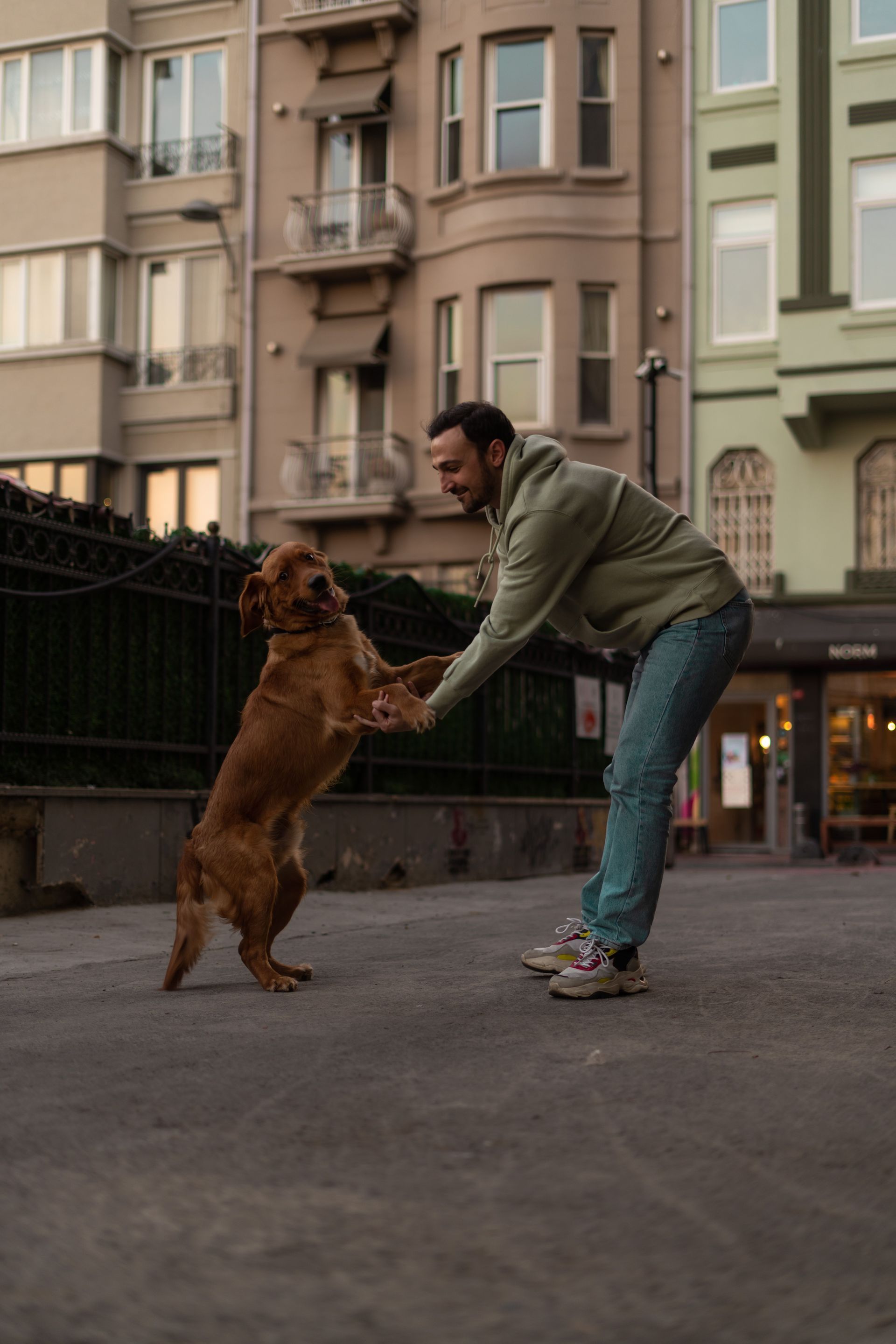
- High Five — the crowd-pleaser. Easiest to teach, most satisfying to show off.
- Shake — a classic. A natural extension of High Five once that's solid.
- Wave — Hi Five's elegant cousin. Great for photos.
- Spin — simple to lure, visually delightful, and excellent for body awareness.
- Take a Bow — stretching posture that most dogs offer naturally. Easy to capture and put on cue.
- Intermediate tricks — once basics are solid:
- Roll Over — builds on Down. Takes a little patience but most dogs get it within a few sessions.
- Crawl — great for building body awareness and duration in the Down position.
- Sit Pretty — also called Beg. Strengthens core muscles while looking absolutely adorable.
- Paws Up — teach your dog to put their front paws on any object you point to. Incredibly versatile.
- Weave — weaving through your legs while you walk. More impressive than it looks and dogs love it.
- Advanced tricks — for the dedicated duo:
- Dance — building on Sit Pretty with movement. Takes time but the payoff is incredible.
- Leap — jumping into your arms or over an obstacle. Requires solid physical conditioning first.
- Jump Through a Hoop — a genuine showstopper. Start with the hoop on the ground and build up gradually.
- Bang / Play Dead — one of the most impressive tricks in any dog's repertoire. Involves dropping dramatically on cue. Extremely fun to teach.
- Rollover into Play Dead — combining two tricks into one seamless sequence. This is graduate-level stuff — and incredibly rewarding when it clicks.
How to Teach These Tricks — The Noble Beast Approach
Most of these tricks can be taught using one of two methods:
- Luring — using a treat to guide your dog into the position you want, then marking and rewarding the moment they get there. Great for beginners and for physical tricks like Spin, Roll Over, and Crawl.
- Shaping — rewarding small steps toward the final behavior, building gradually toward the complete trick. Takes more patience but produces very precise, enthusiastic behavior. Great for complex tricks like Bang and Jump Through a Hoop.
Both methods work beautifully with a consistent reward marker — which is why understanding markers before you start trick training makes everything easier. If you haven't read our post on reward markers yet, start there first.
Tips for Successful Trick Training Sessions
These apply whether you're teaching your first trick or your fifteenth:
- Keep sessions short. Five to fifteen minutes maximum. Dogs learn better in short, frequent sessions than long exhausting ones. When your dog starts losing focus — end the session. Always stop before they fatigue.
- End on a good note. Finish every session with something your dog already knows well so you can reward confidently and end on a win. This keeps training associated with success rather than frustration.
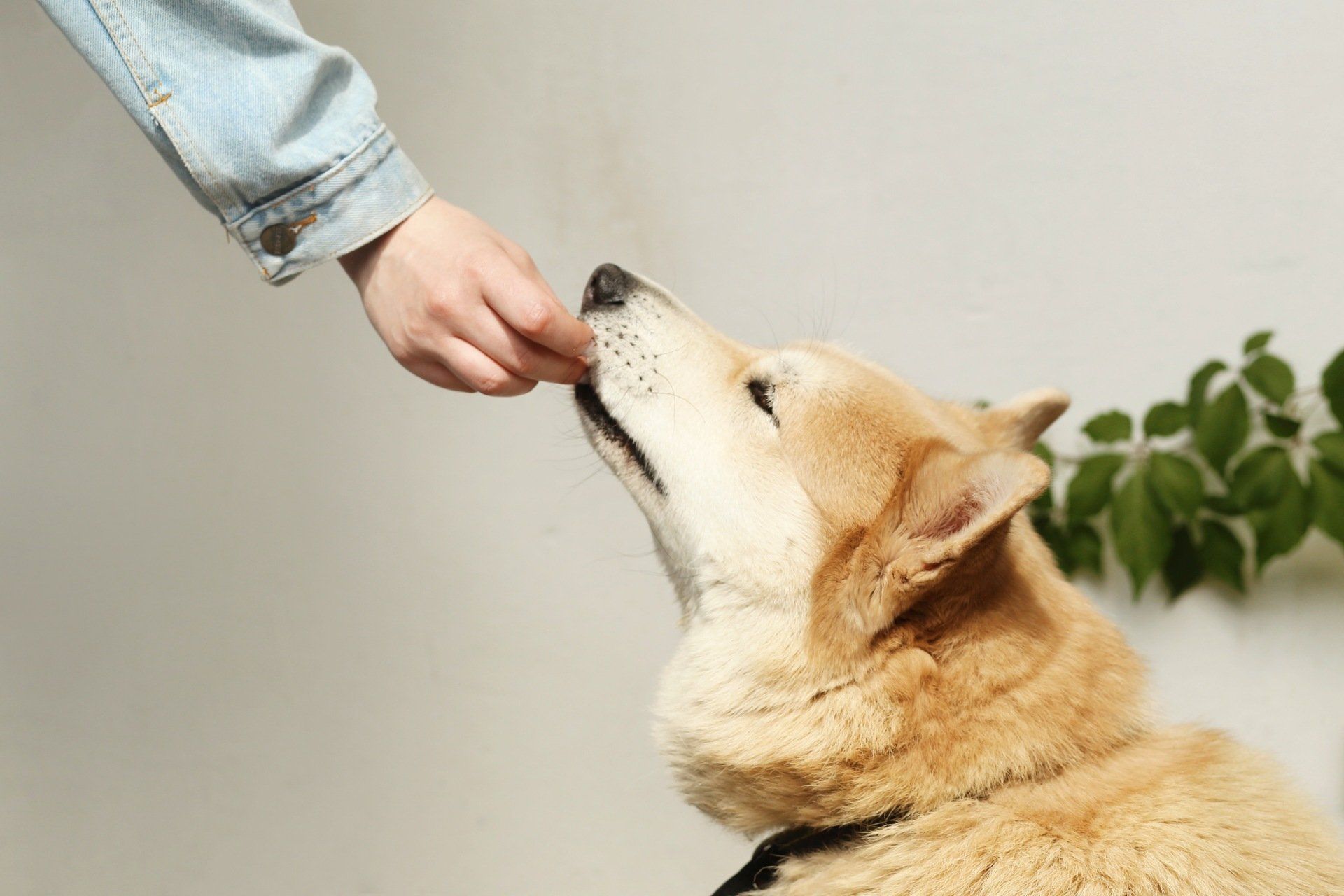
- Use a high-value reward. Tricks are new and challenging — this is not the time for your dog's everyday kibble. Bring out the good stuff. Small, soft, smelly treats that your dog goes absolutely crazy for.
- Use your reward marker consistently. The moment your dog does what you're asking — even approximately — mark it immediately. The marker tells them exactly what earned the reward.
- Drop the frustration. If your dog isn't getting it, that's almost always a communication issue on the human side — not a stubbornness issue on the dog side. Take a breath, simplify the step you're asking for, and try again. Dogs want to get it right. Help them figure out how.
- Have fun. Your dog reads your energy. If you're tense and frustrated, they feel it. If you're playful and enthusiastic, they match that energy. The more fun you have, the more fun they have — and the faster they learn.
Want a Trainer's Help?
Most of these tricks can be taught in a single session with the right guidance. Noble Beast's Get Tricky! Class in Denver is designed exactly for this — a dedicated trick training class where you and your dog learn new skills together in a fun, welcoming group setting.
If you'd prefer one-on-one help, our Private In-Home Training brings a certified Noble Beast trainer directly to your home — and yes, we absolutely teach tricks in private sessions.
Frequently Asked Questions
- What age can I start teaching my dog tricks? As early as 8 weeks! Puppies are learning machines and trick training is one of the best ways to channel that energy productively. Start simple — Hand Targeting, Sit, and Spin are all great starter tricks for puppies. Our Playful Pup Class introduces basic trick concepts alongside socialization from day one.
- My dog seems bored with regular training. Will tricks help? Almost certainly yes. Tricks introduce novelty and variety into training sessions — and novelty is one of the most powerful motivators for dogs. If your dog lights up for tricks but zones out during obedience work, use tricks as a warm-up and reward for the more structured stuff.
- How long does it take to teach a trick? Simple tricks like High Five or Spin can be learned in one or two sessions of five to ten minutes each. Complex tricks like Bang or Jump Through a Hoop may take several weeks of consistent short sessions. Every dog is different — some pick things up in minutes, others need more repetitions. Neither is wrong.
- Do tricks replace obedience training? No — they complement it beautifully. Think of obedience training as the foundation and tricks as the continuing education. Both matter. Both build different skills. The ideal is a dog who has solid foundation skills AND a rich trick repertoire — that dog has exceptional focus, flexibility, and connection with their owner.
- What is Noble Beast's Get Tricky class? Get Tricky! is Noble Beast's dedicated trick training class — held right here in Denver at our 4335 Vine Street facility. It's a fun, group-format class where you and your dog learn an impressive repertoire of tricks using Noble Beast's positive reinforcement methodology. It's suitable for dogs who have completed Delightful Dog or have equivalent foundation skills.
Noble Beast Dog Training has been Denver's relationship-first training company for 18 years.
We are one of Denver's 110 Legacy Businesses and the only dog training company on that list.
📍 4335 Vine Street, Denver, CO 80216 | 📞 (303) 500-7988
Ready to get tricky?
Noble Beast's Get Tricky! Class is Denver's most fun training class — and your dog will absolutely love it.
Learn about Get Tricky! → www.noblebeastdogtraining.com/get-tricky
Want to work on tricks one-on-one at home? Our Private Training brings a certified Noble Beast trainer directly to you.
Learn about Private Training → www.noblebeastdogtraining.com/private-training
Want ongoing trick training support and ideas between sessions?
Becoming Noble is Noble Beast's private online community — certified trainer access, Speaking Dog AI behavior guide, and a warm welcoming community of Denver dog owners who love their dogs as much as you love yours.
Explore Becoming Noble →
www.noblebeastdogtraining.com/BecomingNoble