

Dog Grooming Starts With Training: How to Raise a Dog Who Actually Enjoys Being Handled
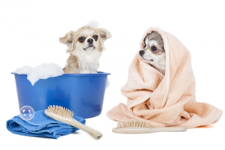
Here's something most dog owners don't realize until they're at the groomer, holding their breath: grooming is not just about keeping your dog clean and tidy. It's about whether your dog trusts being touched.
A dog who wiggles, snaps, or shuts down at the groomer isn't a difficult dog. They're a dog who was never taught that handling is safe. And that's a training conversation — not a grooming one.
After 18 years of working with Denver dogs, Noble Beast has seen this pattern more times than we can count. The good news is that cooperative grooming behavior is entirely teachable. And the earlier you start, the easier it is.
Here's everything you need to know — about coat types, grooming basics, and most importantly, how training makes all of it easier.
Why Handling Training Comes First
Before you pick up a brush, a nail clipper, or a blow dryer — your dog needs to be comfortable being touched. This means:
- Paws handled and squeezed gently
- Ears examined and touched inside
- Mouth opened and teeth checked
- Body brushed and rubbed all over
- Being held still while someone works around their face
None of this comes naturally to most dogs. It has to be taught — with patience, positive reinforcement, and repetition starting as early as possible.
At Noble Beast, we begin body handling work in our Playful Pup Class for puppies 8 to 20 weeks old. It continues through our Delightful Dog Class and beyond — because a dog who is comfortable being handled is a dog who can be safely and happily groomed and endure vet visits for their entire life.
Understanding Your Dog's Coat Type
Once your dog is comfortable being handled, knowing their coat type helps you understand their specific grooming needs. Here's a simple breakdown:
- Smooth coat — Bulldogs, Greyhounds, Boxers. The easiest to maintain. Minimal grooming required, though regular brushing helps with shedding and skin health.
- Short double coat — Pugs, Beagles, Labradors. Dense and water-resistant. Doesn't require extensive grooming but can be slow to dry and may have a stronger odor when wet. Regular brushing reduces shedding significantly.
- Long coat — Shih Tzus, Maltese, Yorkshire Terriers. Brush at least three times a week to prevent matting. Use a long-hair specific dog shampoo and consider professional grooming every 6 to 8 weeks.
- Double coat — Golden Retrievers, Huskies, German Shepherds. Seasonal shedding can be intense. Regular brushing and professional de-shedding treatments make a big difference. Never shave a double-coated dog — the coat regulates temperature in both heat and cold.
- Curly coat — Poodles, Doodles, Airedale Terriers. High maintenance and prone to matting if not brushed daily. Professional grooming every 4 to 6 weeks is strongly recommended.
- Wire coat — Many Terrier breeds. Requires a specific technique called hand stripping to maintain correct texture. This is best handled by a professional groomer experienced with wire-coated breeds.
Basic Grooming Habits Every Dog Owner Should Build
Regardless of coat type, these habits make a meaningful difference in your dog's health and comfort:
- Brush regularly. Even short-coated dogs benefit from weekly brushing. It removes loose fur, distributes natural oils, and gives you an opportunity to check for lumps, skin issues, or parasites.
- Check ears weekly. Especially important for dogs with floppy ears like Basset Hounds or Cocker Spaniels. Moisture gets trapped easily and leads to infections. Clean gently with a vet-approved solution.
- Trim nails consistently. Long nails affect posture, gait, and joint health — often in ways owners don't notice until the damage is done. If you hear clicking on hard floors, the nails are too long. Monthly trimming is the general guideline.
- Brush teeth regularly. Dental disease is one of the most common health issues in dogs and one of the most preventable. Use a dog-specific toothbrush and toothpaste — never human toothpaste.
- Bathe as needed. For most dogs, once every 4 to 6 weeks is appropriate. Over-bathing strips natural oils from the coat. Use a dog-specific shampoo matched to your dog's coat type.
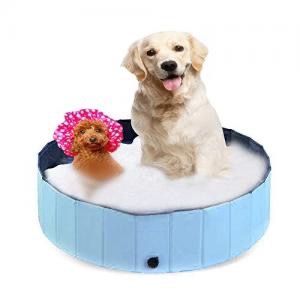
Making Grooming a Positive Experience
The secret to a dog who tolerates — and eventually enjoys — grooming is simple: go slowly, reward generously, and never push past your dog's comfort level.
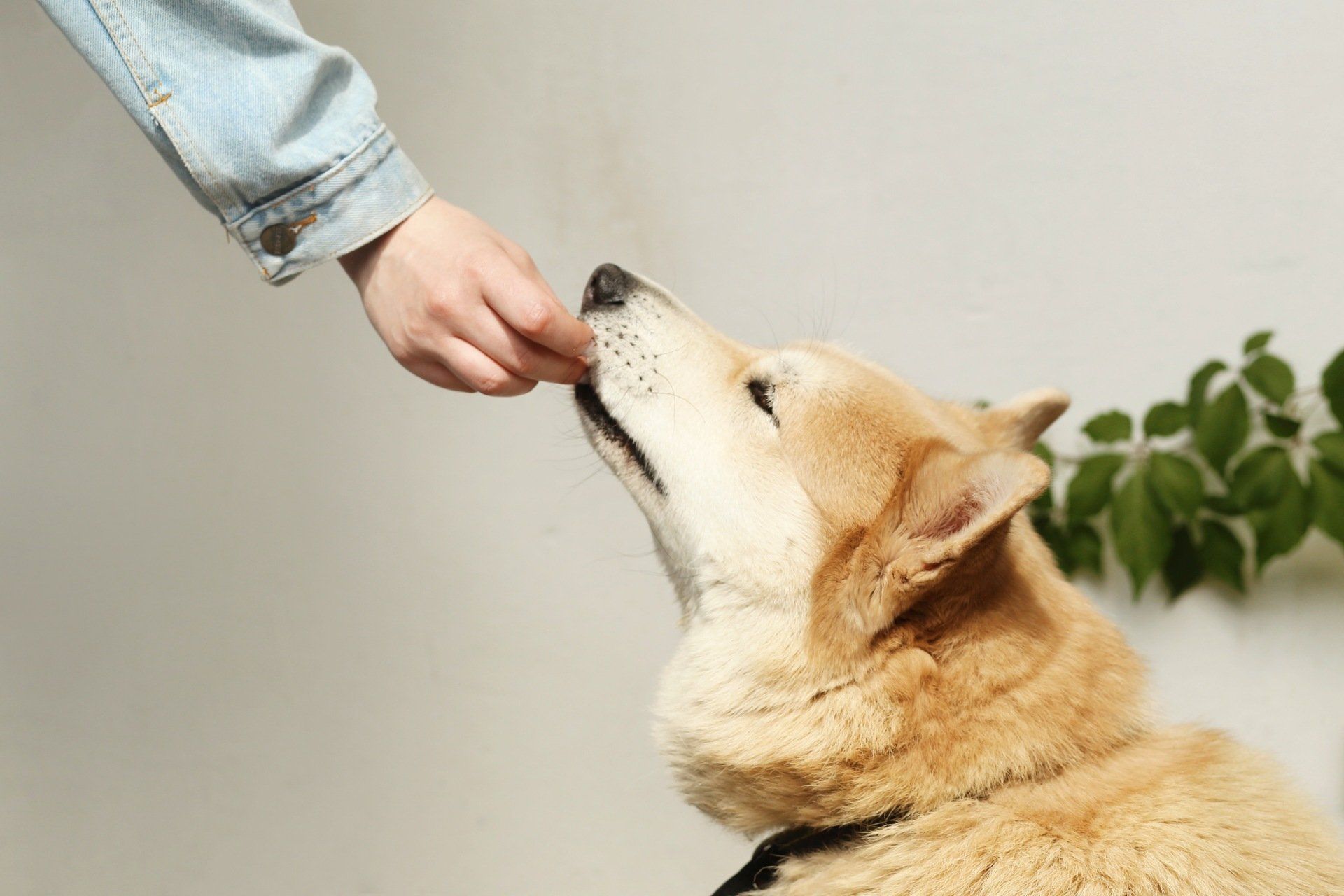
Start with just touching the paw. Reward. Touch the paw again and hold for two seconds. Reward. Gradually build up to longer holds, nail trims, and full grooming sessions over days and weeks — not in one overwhelming session.
This is exactly how Noble Beast approaches body handling in our classes. Every skill is broken into tiny, achievable steps. Your dog is never flooded or forced. They learn at their own pace, with you as their partner the whole way.
A dog who trusts being touched is a dog who can be groomed safely, examined by a vet without stress, and handled by strangers without fear. That's not just a grooming win — it's a quality of life win for your dog and for you.
If your adult dog already struggles with grooming or handling, Private In-Home Training is a wonderful place to start.
We come to your home, assess what's happening, and build a specific plan to help your dog become more comfortable with touch.
Frequently Asked Questions
- My dog hates being brushed. What do I do?
Start much smaller than you think you need to. Show your dog the brush, reward. Touch the brush to their body for one second, reward. Build up gradually over multiple short sessions rather than pushing through resistance in one long session. If your dog is significantly distressed by brushing, a Private In-Home Training session with Noble Beast can help you build a specific desensitization plan.
- When should I start grooming habits with my puppy?
Right now — as early as 8 weeks. The earlier your puppy learns that handling is safe and pleasant, the easier every grooming experience will be for their entire life. Our Playful Pup Class includes body handling as part of the curriculum.
- Should I groom my dog myself or use a professional groomer?
Both is the ideal answer. Regular at-home brushing, nail checks, and ear checks between professional appointments keeps your dog comfortable and healthy. Professional groomers handle the more technical work — full baths, breed-specific cuts, nail grinding, and coat treatments. Finding a groomer who uses fear-free handling techniques is worth the extra effort.
- My dog snaps when I touch their paws. Is that aggression?
It's most likely a fear or discomfort response rather than true aggression. Many dogs are highly sensitive about their paws — especially if nail trims have been painful in the past. This is very treatable with patient, positive desensitization work. If snapping is happening, please reach out to Noble Beast before continuing to push through — we can help you address the root cause safely.
- How do I find a fear-free groomer in Denver?
Look for groomers who are certified in fear-free handling or who specifically mention low-stress grooming techniques. Ask how they handle a dog who is anxious or resistant — their answer will tell you everything you need to know. Noble Beast's partner network includes several wonderful Denver groomers we trust — reach out and we'll be happy to share recommendations.
Noble Beast Dog Training has been Denver's Relationship-First training company for 18 years.
We are one of Denver's 110 Legacy Businesses and the only dog training company on that list.
📍 4335 Vine Street, Denver, CO 80216 | 📞 (303) 500-7988
Want to help your dog become more comfortable with handling and grooming?
Noble Beast's Playful Pup Class introduces body handling from the very start — building the foundation that makes grooming easy for life. For adult dogs who already struggle, our Private In-Home Training brings one of our certified trainers directly to your home with a customized plan.
- Learn about Playful Pup → www.noblebeastdogtraining.com/enroll-in-a-playful-pup-class
- Learn about Private Training → www.noblebeastdogtraining.com/private-training
Want ongoing support and training tips for every stage of your dog's life? Becoming Noble is our private online community — certified trainer access, Speaking Dog AI behavior guide, and a warm welcoming community of Denver dog owners who get it.
- Explore Becoming Noble → www.noblebeastdogtraining.com/BecomingNoble