


CHILDREN AND DOG BITES: WHAT IS REALLY BEHIND THE NUMBERS
Children and Dog Bites: What Is Really Behind the Numbers
Allowing children on the floor with family dogs that have the freedom to move away is one thing. Forcing dogs to stay while allowing children to sit on them, hug them, or pull on them — or allowing a child to interact with a dog when there is a valued resource like a bone, a bed, or dinner nearby — is another thing entirely.
I was one of those babies that crawled all over my dogs and was perfectly fine. My son, on the other hand, while in the care of my mother, was attacked by her dog. Although he has mentally recovered well, he will carry physical scars for life. Many dogs are fine physically interacting with children, but it is not something I can promote as a professional dog trainer.
To truly reduce the number of dog bites to children, it comes down to four critical factors: dog and child socialization, child education, management of kids around dogs, and training dogs with a relationship focus — providing agency and training without pain or intimidation.
Dog and Child Socialization
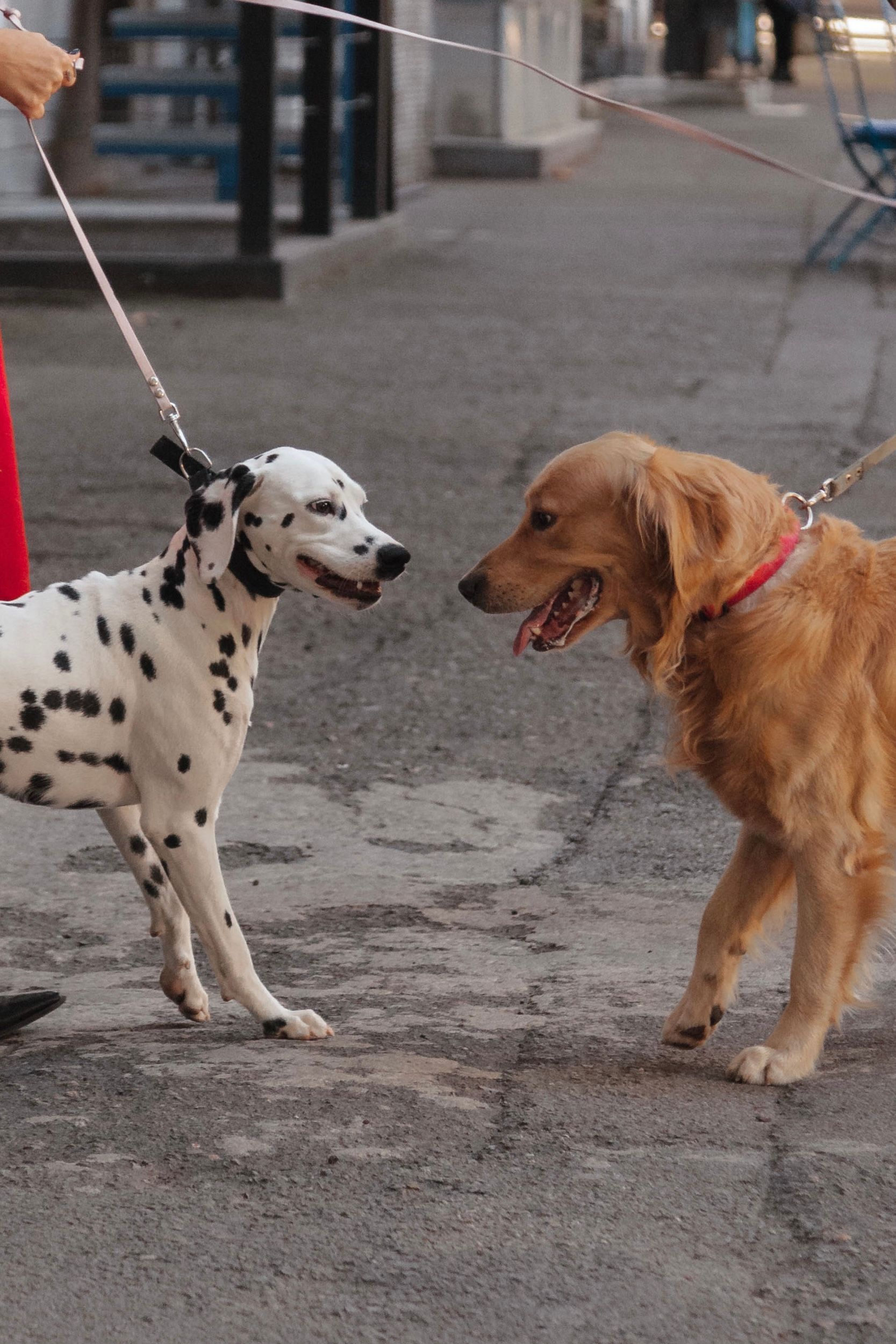
Socializing dogs with children is critically important whether you have kids or not — and doing it within the first 12 weeks of age is key. If you miss this developmental window, you need to understand that your dog may OR may not be comfortable with children 100% of the time. From that point forward, you must actively desensitize your dog and help them build a positive association with kids, combined with strict management whenever children are present.
The problem is that many dogs never get this opportunity. Not everyone has children in their household, so they don't think about the importance of socializing their dog with kids. Additionally, we rescue dogs all the time without knowing what their true experience with children has been.
Here's another consideration many people overlook: in the unlikely event that you ever have to rehome your dog, a dog that has been properly socialized with children is far more likely to find a new forever home than one that has not. This is one of the many reasons we emphasize early socialization in our puppy training programs here at Noble Beast Dog Training in Denver.
Educating Our Children
Children need to understand that dogs are sentient beings with emotions and boundaries — just like people. Dogs experience fear, frustration, confusion, nervousness, and distress. Without hands and a voice, the only way a dog can communicate "move away" is with their mouth.
Children need to be educated on:
- How to interact with dogs safely — approaching calmly, letting the dog come to them, avoiding face-to-face contact
- The warning signs dogs give before biting — whale eye, lip licking, yawning, stiffening, growling, turning away
- What situations could cause a dog to bite — guarding food or toys, being startled, being in pain, feeling trapped
If this education happens at an early and impressionable age — by using children's natural attraction and affection for animals to cultivate a genuine emotional connection — they will develop an awareness and empathy that extends beyond dogs to all living beings. This understanding gets shared with peers, creating a ripple effect of safer interactions between children and dogs in our communities.
Management: Supervising Kids and Dogs
Many dog bites and attacks happen when a child was left unattended for even a short amount of time. The data is clear on this point.
Children (especially under age 7) and dogs should be closely monitored at all times. This includes:
- Dogs that are new to the family or inexperienced with kids
- Dogs that have gone through any kind of stress, trauma, or illness — even dogs who have previously proven to be "safe" with children
Things that stress a dog are remarkably similar to what stresses a human: an injury, a change in family dynamics (an addition or loss), a change in routine, being unsure or confused, mental or physical fatigue, being in an unfamiliar place with unfamiliar people.
Here's an example of how stress stacking works in real life:
A bout of diarrhea, combined with a stressful vet or grooming visit, combined with loud construction outside, combined with missing a daily walk to release pent-up energy, combined with a toddler pulling on the dog's ears — and then the bite happens.
Perhaps under normal circumstances where the dog had a stress-free day or two, ear pulling would not have been a big deal. But with all the accumulated stresses from the previous few days, the dog snapped.
We as humans take out our stresses on each other all the time — thus the saying, "You didn't have to bite my head off!" Dogs are no different. When adults have kids and dogs together, they need to always be conscious of the dog's mental and physical state, taking into consideration anything that has happened within the last week that could have caused stress.
Training dogs with a relationship focus — providing agency and training without pain or intimidation.
Aggression breeds aggression. If you force, hit, kick, scream at, scare, or use anything that creates pain, fear, or intimidation to teach your dog, you are also teaching your dog that humans are dangerous and unpredictable. When any being — dog or human — gets to a point where they are cornered, scared, and can't take it anymore, they will lash out and defend themselves.
You see this pattern with abused women, abused children, kids who have been bullied in school, and even orphaned elephants in Africa who witnessed violence to family members and now experience PTSD when encountering people, making them volatile and dangerous.
It is a proven fact that dogs trained with fear, pain, or intimidation are significantly more likely to demonstrate aggression — directly or indirectly — when conflicted. Research consistently supports that aversive training methods increase the risk of aggressive behavior.
This also connects back to child education: if you train your dog using punishment and intimidation in front of your children, your children will learn to interact with your dog the same way. This dramatically increases the chances of someone getting bitten.
At Noble Beast Dog Training, we exclusively exclude using fear, pain, or intimidation - or tools that cause fear, pain, or intimidation, in our relationship-based methods. We believe this is not only more effective — it's safer for every member of your family, including the four-legged ones.
The Bottom Line
When a dog bites a child — whether it is a familiar dog or not — it is not the dog's fault or the child's fault. It is the responsible adult's fault. Any dog has the potential to bite. Our job as adults is to socialize our dogs properly, educate our children, manage interactions carefully, and train without creating fear.
Protecting Your Family Starts with Education and Training
If you have children and dogs in your home — or if you're bringing a new puppy or rescue dog into a family with kids — professional guidance can make all the difference. Noble Beast Dog Training in Denver offers puppy socialization classes, private family consultations, and our Prickly Pooch program for dogs who need extra help building confidence around new people and situations.
Contact us to learn how we can help your family →
https://www.noblebeastdogtraining.com/contact
Resources
•DogGoneSafe.com — Dog bite prevention education and resources
•American Humane — Dog bite statistics and research
Noble Beast Dog Training is located at 4335 Vine Street, Denver, CO 80216.
We specialize in positive reinforcement dog training for families, puppies, reactive dogs, and dogs of all ages
throughout Denver and the surrounding Colorado communities.