


Reactivity vs. Aggression in Dogs: Understanding the Difference and What You Can Do!
My Dog Lunges, Barks, and Loses It on Walks. Is That Aggression — or Something Else?

It happens fast...
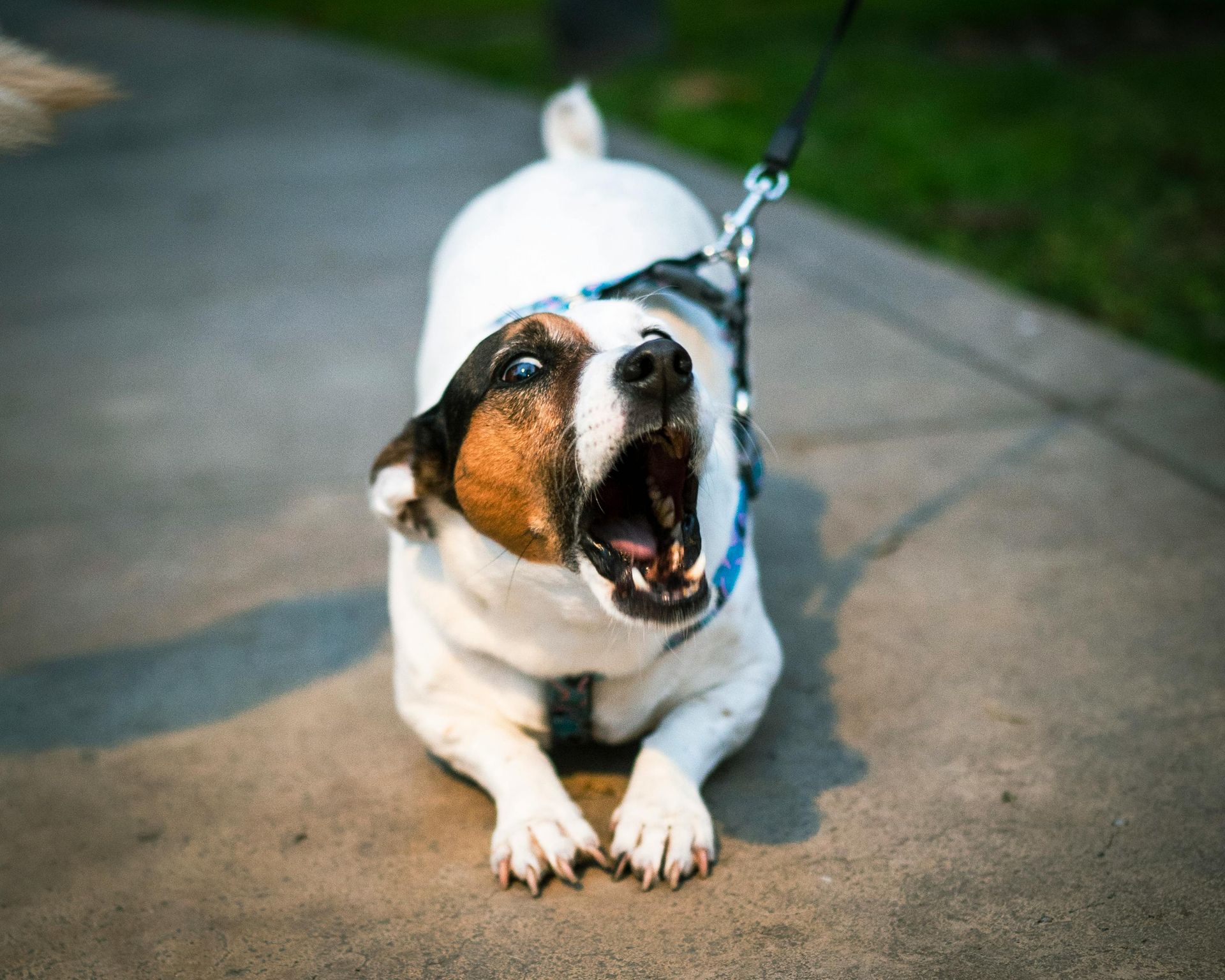
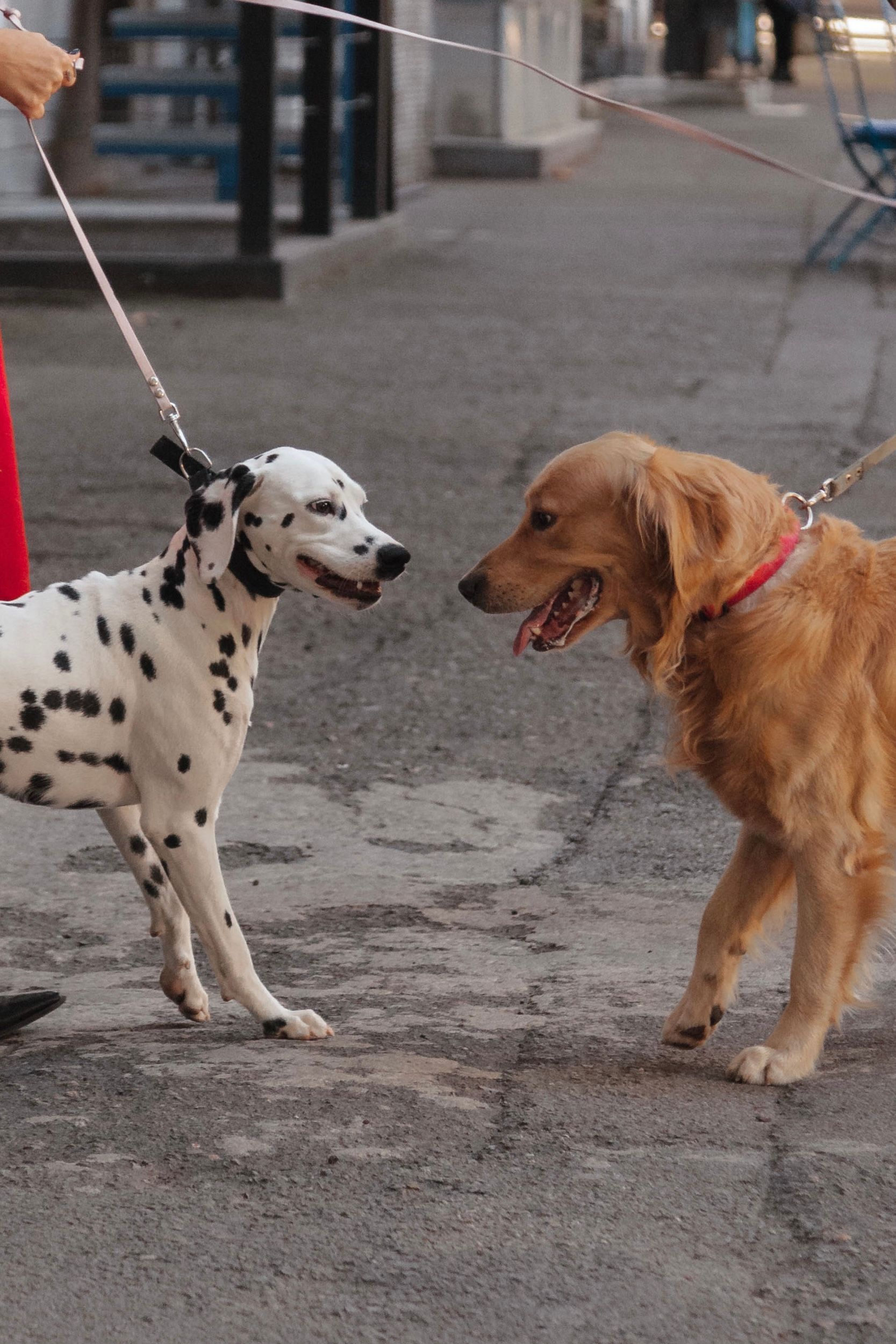
You're on a walk in your Colorado neighborhood, your dog is trotting along happily, and then — another dog appears around the corner. Suddenly your dog is lunging, barking, spinning at the end of the leash. You feel embarrassed. You're frustrated. And somewhere in the back of your mind, a quiet, awful thought creeps in:
Is my dog aggressive?
Here's what we want you to know, after over 18 years of working with dogs and their people in the metro Denver area: that fear is one of the most common things we hear. And in the vast majority of cases, what you're actually seeing is not aggression at all.
It's reactivity. And reactivity and aggression are not the same thing.
What Is Reactivity?
Reactivity is a response to a trigger that is more intense than what you might expect. Common triggers include other dogs, strangers, loud noises, or unfamiliar environments. A reactive dog might bark, lunge, whine, or pace when exposed to these triggers.
The key thing to understand is that reactivity is driven by heightened emotional arousal — fear, excitement, or frustration — not a desire to harm. A dog who barks and pulls on the leash when seeing another dog may be overwhelmed, anxious, or overstimulated, but they are not planning an attack. They are communicating the only way they know how.
Reactivity is also usually context-dependent — it tends to show up in specific situations, like on leash or in a new environment, and often subsides once the trigger is gone.
At Noble Beast, we have a special name for reactive dogs: Prickly Pooches. It's our affectionate, judgment-free term for dogs who feel big feelings and need help learning a better way to express them. They are not bad dogs. They are dogs who need a partner — and the right support.
What Is Aggression?
Aggression is different. It involves behavior with the intent to threaten, create distance, or cause harm — snarling, snapping, stiff body posture, a fixed stare, or biting. Aggression is often rooted in fear too, but can also be motivated by resource guarding, territoriality, or pain.
Unlike reactivity, aggression may not always have a clear or predictable trigger, and an aggressive dog may continue to act offensively even after the trigger is removed.
True aggression is less common than most owners fear — but it does require a different, more careful approach. If you're concerned your dog's behavior falls into this category, a professional evaluation is always the right first step.
Why Does the Difference Matter?
Because the path forward is completely different depending on what's actually driving the behavior — and getting it wrong can make things worse.
Reactivity can also escalate into aggression over time if a dog's attempts to communicate discomfort are repeatedly ignored. A dog who barks and lunges to create distance may eventually learn that snapping is more effective if their earlier warnings go unheeded. This is why early intervention matters so much — and why waiting and hoping it gets better on its own is rarely the right call.
What You Can Actually Do
- Identify the triggers. Watch for patterns. What sets your dog off — other dogs, strangers, specific sounds? Keeping a simple note on your phone can help you spot trends quickly.
- Manage the environment. Avoid situations that overwhelm your dog while you're actively working on the behavior. Give them space from triggers. Distance is your friend — it's not avoidance, it's strategy.
- Read the early warning signs. Learn to recognize the subtle signals your dog gives before they explode — lip licking, random sniffing, yawning, turning away, a body shake, a stiffening body. The earlier you intervene, the easier it is to redirect.
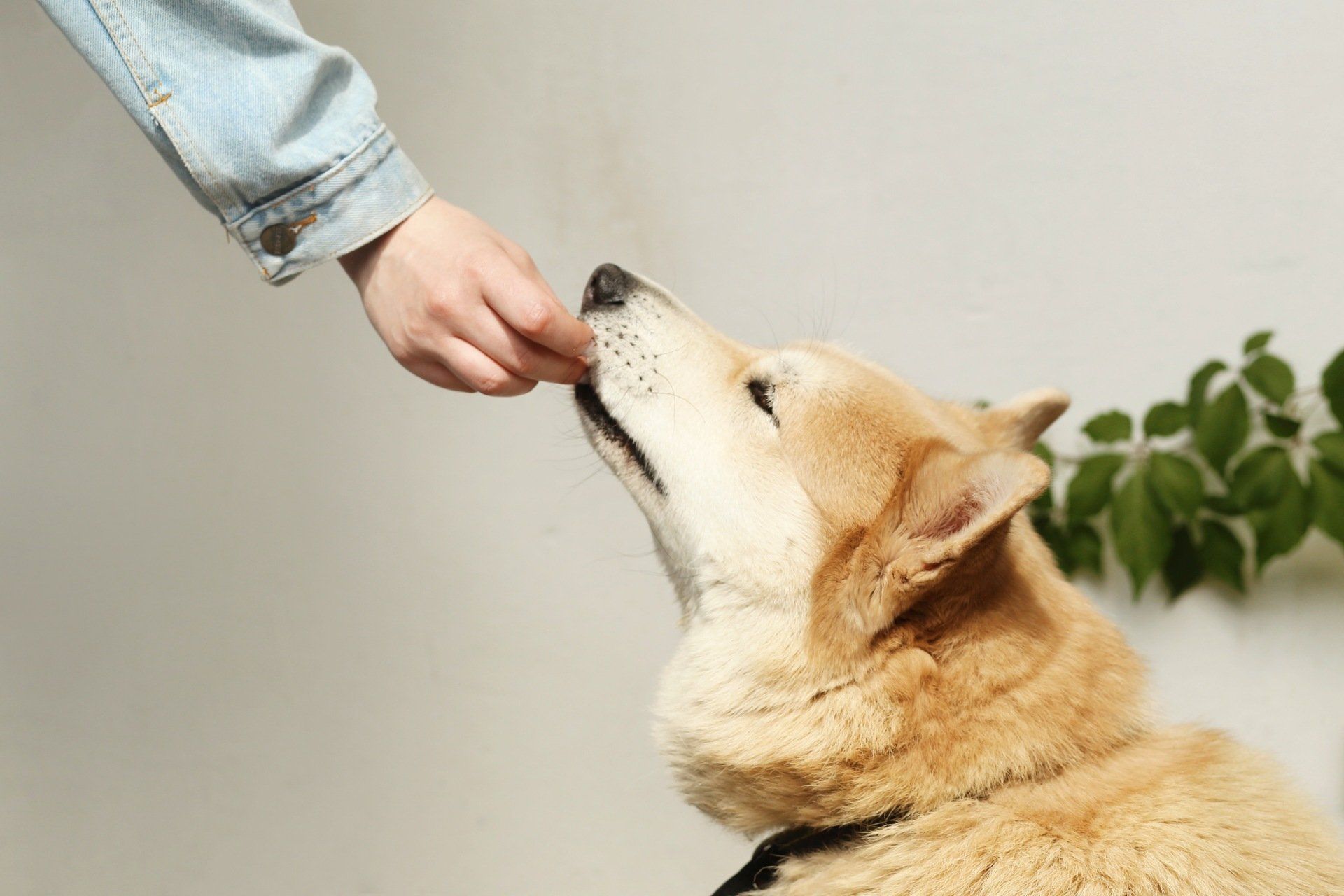
- Reward calm behavior. When your dog notices a trigger and doesn't react — even for just a second — that moment is gold. Mark it verbally (GOOD!) and reward it generously. You are building a new emotional response, one moment at a time.
- Teach an alternative behavior. Train your dog to look at you, sit, or touch your hand when they see a trigger. This gives them something to do with all that emotional energy — lowers their arousal as they use their brains and keeps them connected to you instead of fixating on the trigger.
- Work gradually, not forcefully. Slowly and carefully expose your dog to triggers at a distance they can handle. The goal is never to flood them or force them to "get over it." The goal is to expand their comfort zone so gradually they barely notice it happening.
- Get the right professional support. If your dog's behavior is intense, unpredictable, or escalating — please don't wait. Working with a certified trainer who understands reactivity makes an enormous difference. At Noble Beast, our Prickly Pooch Class Series was built specifically for reactive dogs and their owners, right here in the Denver area. Small groups of four dogs maximum, significant space between each team, and a curriculum built around real-world progress — with you as part of every step.
One Thing We Want Every Denver Dog Owner to Know
Reactivity is one of the most treatable behavioral challenges we work with. We have seen transformations that genuinely move people to tears — dogs who once couldn't walk past another dog on the sidewalk, graduating and going to the farmer's market six months later.
Your dog is not a lost cause. They are waiting for the right support. And you are not a bad owner for struggling — you are a caring one for looking for answers.
Frequently Asked Questions
- Is a reactive dog dangerous? Reactivity and danger are not the same thing. Most reactive dogs are communicating fear or frustration — not intent to harm. That said, any dog showing significant behavioral challenges deserves a proper evaluation so you understand exactly what you're working with.
- Can reactivity be fixed? We prefer the word "improved" to "fixed" — dogs aren't broken, so there's nothing to fix. But reactivity absolutely gets better, often dramatically, with the right approach. Many dogs who come to us as Prickly Pooches go on to thrive in group settings, on trails, and in daily Denver life.
- My dog is only reactive on leash. Is that normal? Very common. Leash reactivity is its own specific pattern, often rooted in frustration — wanting to get to the other dog but being physically prevented. It responds very well to training. Our Prickly Pooch classes and Wonderful Walkers class both address this directly.
- Do you use e-collars or prong collars for reactive dogs? Never. Noble Beast does not use any tool that causes fear, pain, or discomfort — including e-collars, prong collars, or choke chains. These tools and tactics can actually compound the problem and make the reactivity worse or cause it to tip into agresssion! Our entire methodology is built on positive relationship-based owner support. This is not a marketing claim. It is a non-negotiable commitment we have held for over 18 years.
- Where are your reactive dog classes held in Denver? Our Prickly Pooch classes are held at Noble Beast Dog Training & Education Center, 4335 Vine Street, Denver, CO 80216. We also provide in-home private training, brining our reknown Prickly Pooch Class to your living space if it is more convenient for you!
Noble Beast Dog Training has been Denver's leading relationship-first dog training company for over 18 years. We have been chosen as a Denver Legacy Businesses, 1 of 135 business in all of Denver, and the only dog training company on that list. Our 4.8-star reputation is built entirely on results.
📍 4335 Vine Street, Denver, CO 80216 | 📞 (303) 500-7988
Want support like this whenever you need it?
Becoming Noble is Noble Beast's private online community — built for dog owners who want real answers, not generic internet advice. Inside, you'll find Speaking Dog, our AI-powered behavior guide trained and built solely on our 18+ years of hands-on Noble Beast training experience and continued education. Ask it anything. It knows you and your dog are unique individuals, not a statistic.
Members also get access to live coaching calls, a growing library of training resources, and a community of people who actually get it — because they're in it too.
Explore Becoming Noble → www.noblebeastdogtraining.com/BecomingNoble
Or if you're ready for our Prickly Pooch Group Classes or maybe some one-on-one support, we'd love to meet you and your dog.
Learn about the Prickly Pooch Class Series → www.noblebeastdogtraining.com/enroll-in-a-prickly-pooch-class