

Resource Guarding - All you need to know!
Understanding and Addressing Resource Guarding in Dogs:
A Comprehensive Guide
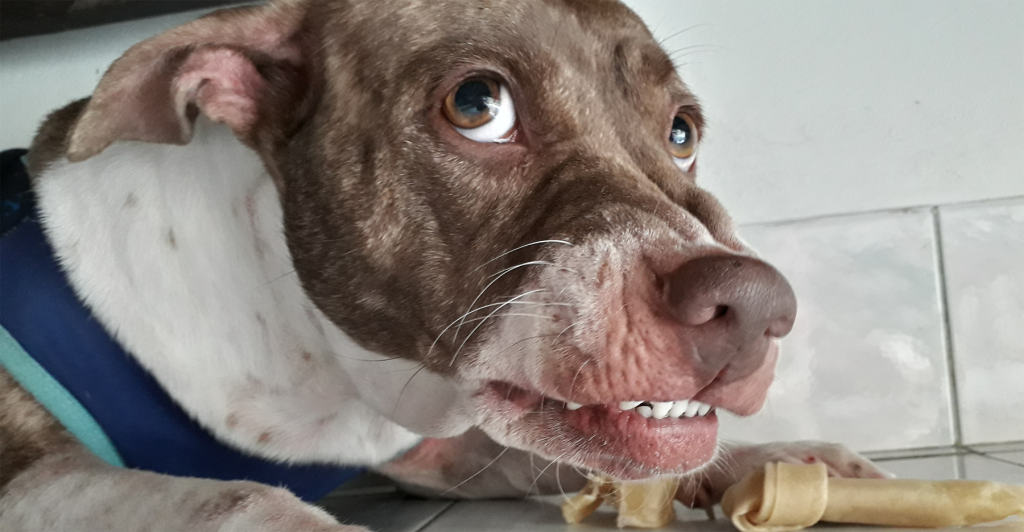
Resource guarding, a behavior where dogs protect valued items, spaces, or people, exists on a spectrum from subtle body language to overt aggression. While natural and evolutionarily adaptive, it can escalate into dangerous situations if unmanaged. This guide explores the nuances of dog-dog and dog-human resource guarding, offering evidence-based strategies for prevention, management, and intervention. By understanding the roots of this behavior and implementing structured training, owners can foster trust and reduce conflict, aligning with the philosophy that empathetic dog training enhances human-canine relationships.
The Evolutionary and Behavioral Foundations of Resource Guarding
Resource guarding stems from survival instincts honed over millennia. Dogs, like their wild ancestors, evolved to protect access to food, mates, and shelter—behaviors that ensured reproductive success and survival. In domestic settings, these instincts persist, though the triggers (e.g., toys, beds, or human attention) often lack survival significance.
The Spectrum of Guarding Behaviors
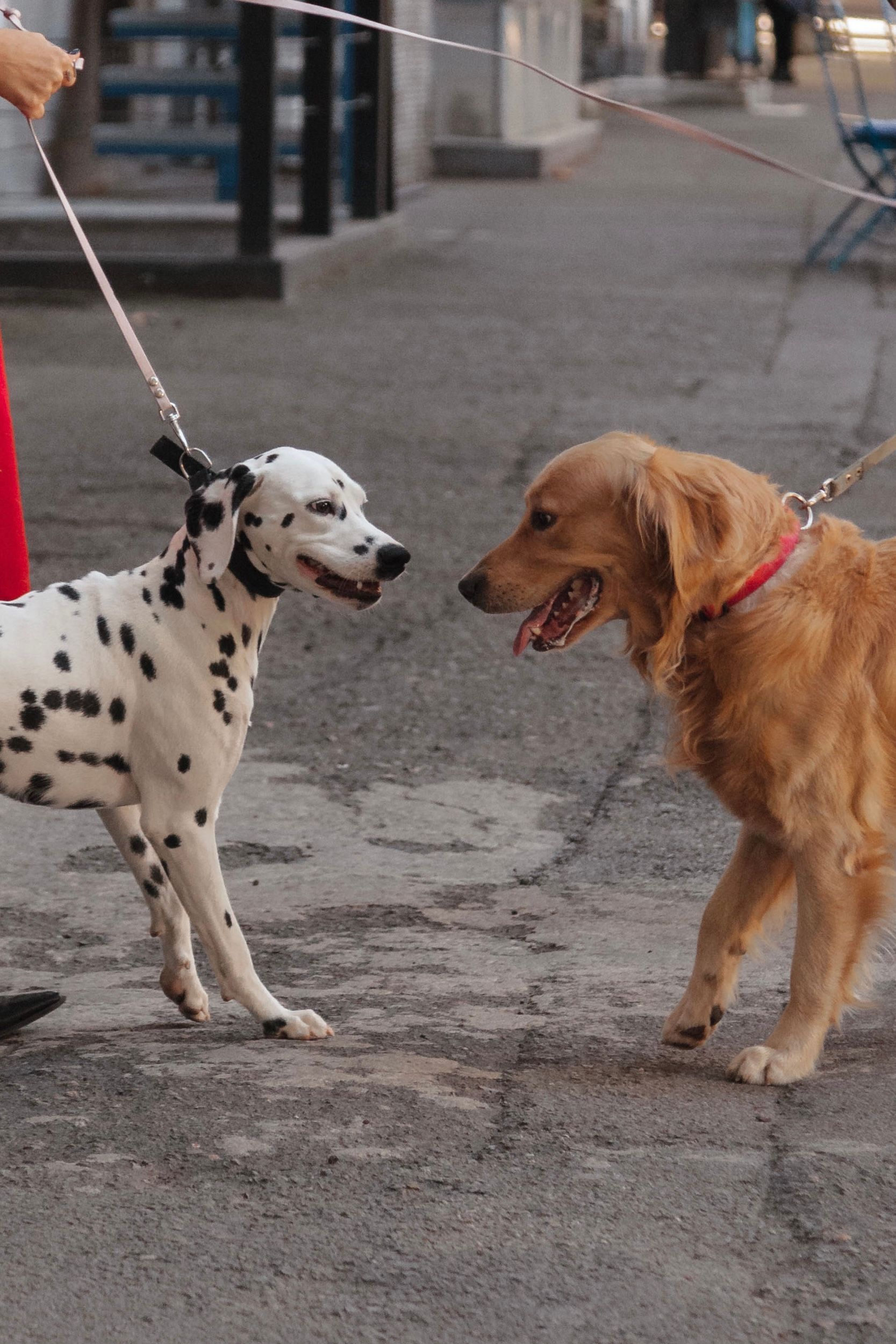
Mild manifestations include body blocking, freezing, or subtle eye movements, while severe cases involve growling, snapping, or biting. For example, a dog may stiffen over a chew toy (mild) or lunge when a person approaches their food bowl (severe). Importantly, all dogs exhibit guarding tendencies to some degree; it becomes problematic only when we see an escalation and/or safety is compromised.
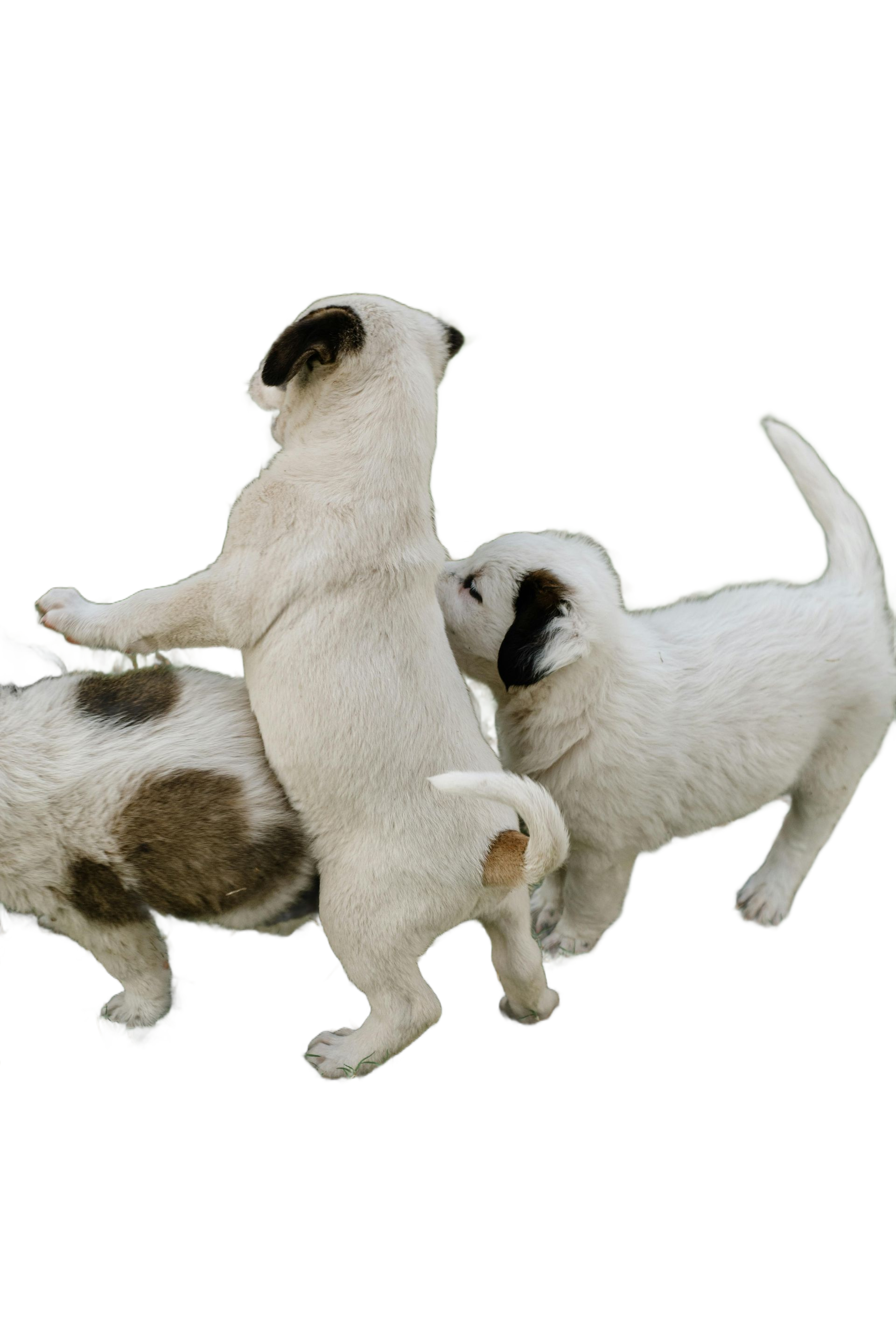
Dog-Dog Resource Guarding: Prevention and Management
Prevention Strategies
- Early Socialization and Structured Feeding: Feeding dogs in separate areas reduces competition and teaches that proximity to another dog’s resources isn’t threatening. Patricia McConnell advocates alternating treats between dogs to create positive associations: rewarding Dog A when Dog B receives a treat, and vice versa.
- Resource Exchange Games: Teaching dogs to voluntarily swap items builds trust. For instance, offering a bully stick in exchange for a stolen sock reinforces that relinquishing items yields rewards.
Managing Existing Guarding
- Environmental Modifications: Use baby gates or crates to separate dogs during high-risk times (e.g., meals or chew sessions).
- Interrupt and Redirect: Train a reliable cue (e.g., “Come!” "LEAVE IT" or "DROP IT") to redirect dogs from guarded items, with an emphasis on pairing the cue with high value treats to shift focus away from conflict.
Dog-Human Resource Guarding: Building Trust Through Positive Reinforcement
Preventing Human-Directed Guarding
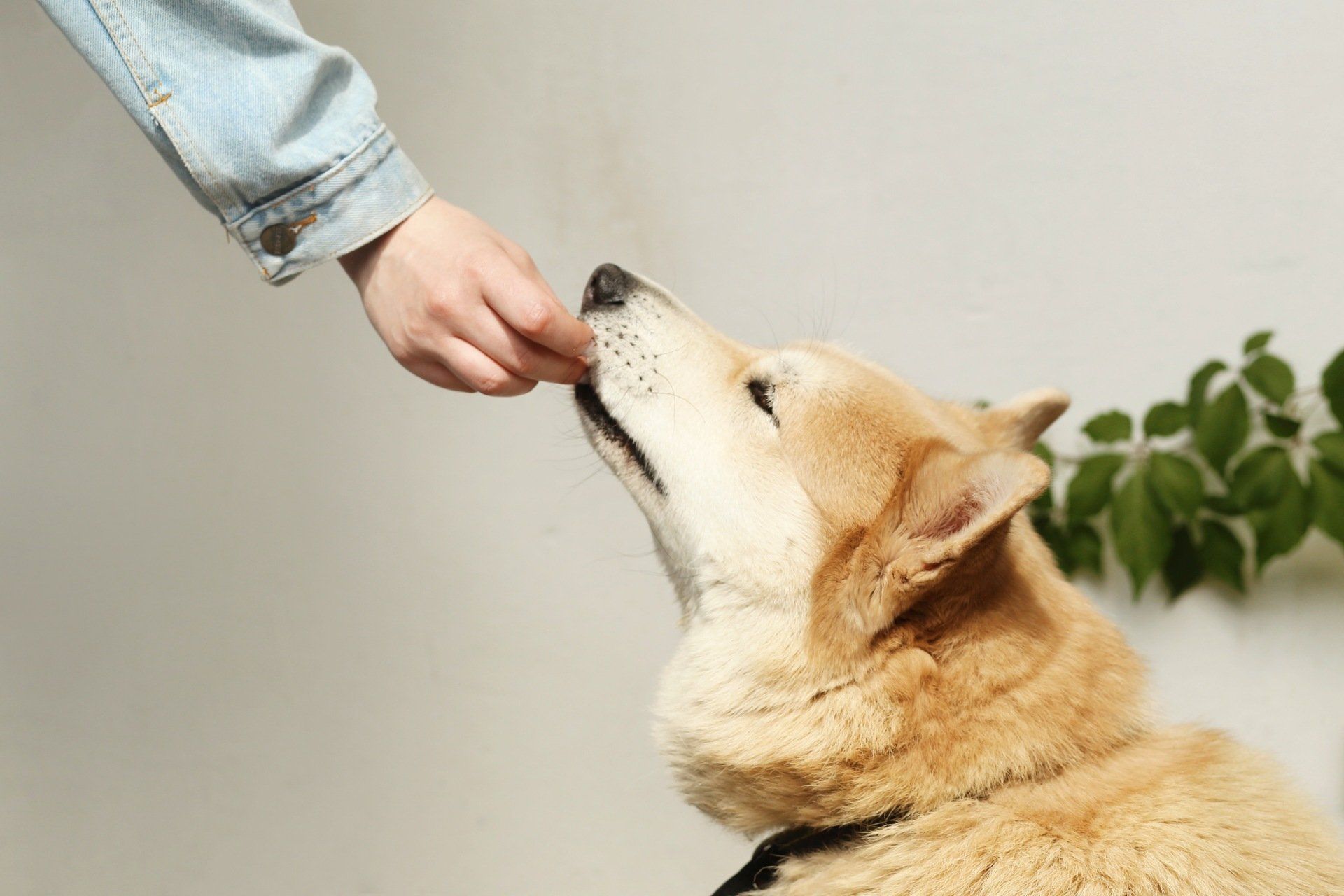
- Hand-Feeding Exercises: Encourage puppies to eat from your hand, gradually introducing bowl feeding while periodically adding higher-value treats. This conditions dogs to associate human proximity with positive outcomes.
- Trade-Up Protocol: Always exchange taken items for something better (e.g., trading a shoe for a meatball). This prevents frustration and reinforces cooperation.
Addressing Escalated Cases
- Desensitization and Counterconditioning: Gradually decrease the dog’s reactivity by pairing your approach (or another dog's approach) with treats. Start at a distance where the dog remains calm, slowly closing the gap over session.
- Drop It/Leave It Cues: Train these commands using low-value items first. It is important to make training fun and making the cue a game, such as trading a ball for a treat during fetch.
Severity and Context: When to Intervene
Mild Guarding
Subtle signs like avoiding eye contact or hovering over a toy often resolve with management. For example, a dog that body-blocks access to its bed may simply need a designated “safe space” where it isn’t disturbed.
Severe Guarding
Dogs that bite or attack often require professional intervention. It's important to find a trainer who does not use punishment-based training methods, which could compound the problem. You will often find these kinds of trainers using impulse control exercises with relationship-building to reduce reactivity. It is always important to get a solid health check on your dog before implementing training programs, to eliminate illness, disease, pain, or stress as being the cause of any reactivity.
The Role of Human Behavior in Exacerbating Guarding
Common mistakes, such as forcibly taking items or punishing growling, amplify anxiety. A 2024 study found that 62% of guarding cases worsened after owners used confrontational methods. Conversely, positive reinforcement builds trust. For instance, celebrating a dog’s calm behavior with praise or petting reinforces non-reactive responses.
Integrating Resource Guarding Management into Daily Life
Structured Routines
- Predictable Feeding Schedules: Reduces anxiety about meal timing.
- Clear Boundaries: Teach “off” for furniture or “wait” at doorways to instill impulse control.
Enrichment and Mental Stimulation
Puzzle toys and scent games channel energy into constructive activities, decreasing the likelihood of guarding boredom-induced items like household objects.
Conclusion: Fostering Safety and Mutual Respect
Resource guarding, while natural, demands thoughtful management to prevent harm. By prioritizing trust-building exercises, environmental adjustments, and professional guidance for severe cases, owners can transform guarding from a liability into a manageable behavior. This approach aligns with the ethos of Noble Beast Dog Training, where empowering dogs and owners through science-based methods cultivates deeper bonds and enriches shared lives.
For guardians in Denver and beyond, recognizing that dogs “make humans more human” underscores the importance of addressing guarding with empathy. Just as training saved a marriage in one notable case, patient, informed intervention can turn resource-related conflicts into opportunities for growth—one treat, one cue, and one moment of understanding at a time.
Want support like this whenever you need it?
Becoming Noble is Noble Beast's private online community — built for dog owners who want real answers, not generic internet advice.
Inside, you'll find Speaking Dog, our AI-powered behavior guide custom trained soley on our training of over 18 years of hands-on training experience and continued eduation. Ask it anything. It knows your dog is an individual, not a statistic.
Members also get access to live coaching calls, a growing library of training resources, and a community of people who actually get it — because they're in it too.
Explore Becoming Noble →https://www.noblebeastdogtraining.com/BecomingNoble
Or if you're ready for one-on-one support, we'd love to meet you and your dog.
Learn about Private Training →https://www.noblebeastdogtraining.com/private-training