


Why Board & Train Programs Often Fail: What Every Dog Owner Should Know
Understanding the Hidden Risks and Limitations of Sending Your Dog Away for Training
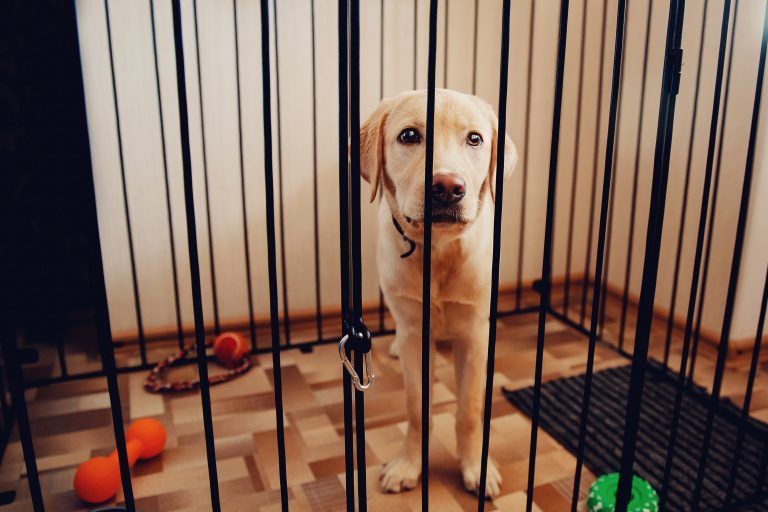
When faced with challenging dog behaviors, or maybe just to cut training time, many owners can be tempted by the promise of Board & Train programs, either in a “doggy boot camps” or even with a soft approach like "Our Board and Train program provides your dog with an immersive one-on-one training experience in the comfort of a trainer’s home!" - both claiming to transform your pet in just a few weeks away from home.
Noble Beast Dog Training is not a proponent of Board & Train programs. Why? Because in our 17 years of business, we have tried offering them twice - and chose to not offer those services both times. While these programs are extremely lucrative for trainers - charging $150 -$200 a day or thousands per week per dog, they often created more problems for both dogs and owners than they solved. The high income was appealing for trainers, but the tradeoff was ineffective, short-lived results, as trainers juggle multiple dogs and clients, offering various services, and struggle to balance personal self-care and time off. At Noble Beast, we consistently encountered either trainer burnout or inefficient training outcomes-neither of which justified the financial gains.
While Board & Train programs may seem convenient, they are rarely the quick fix - or even simply the solution that they promise to be. For most families, these programs come with significant drawbacks that can undermine your dog’s progress and your relationship. Often, the training doesn’t stick, leading to ongoing costs for additional sessions and more time with your dog away from home.
The Hidden Problems with Board & Train Programs
1. Lack of Owner Involvement
At the heart of every successful dog training journey is a strong relationship between dog and owner. Board & Train programs remove you from the process, meaning you miss out on learning how to communicate with your dog, read their signals, and reinforce good behavior. When your dog returns home, they may listen to the trainer-but not to you.
2. Stress and Emotional Fallout for Dogs
Moving to a strange place with unfamiliar people, routines, and other dogs is stressful for most pets. This stress can manifest as anxiety, depression, loss of appetite, or even new behavioral issues. Dogs with any degree of separation anxiety are especially vulnerable and may come home with worsened symptoms or new fears.
3. Context-Specific Learning
Dogs are contextual learners-they associate behaviors with specific places and people. Skills learned in a training facility or at a trainer’s home often don’t transfer to your home, where routines, triggers, and expectations are different yet still familiar to your dog. As a result, owners often find that the “good behavior” seen at the facility fades once the dog returns home, with the dog reverting to old habits based on their familiar environment and the owner’s usual routines.
4. The Quick Fix Fallacy
True behavior change, especially for issues like fear, aggression, or anxiety, takes time and consistency. Board & Train programs often promise rapid results, but these are usually achieved by suppressing behavior temporarily, not by addressing the underlying cause. Without ongoing reinforcement at home, old habits quickly return.
5. Risk of Outdated or Inhumane Methods
To deliver fast results, some Board & Train facilities resort to punishment-based techniques or aversive tools such as shock collars, prong collars, or harsh corrections. These methods can damage your dog’s trust, increase fear or aggression, and result in compliance based on avoidance rather than true understanding. Unfortunately, we often work with dogs who have experienced the negative aftermath of such training-sometimes without the owner ever being informed that aversive methods were used, even as a fallback when positive reinforcement didn’t seem effective. This is a common practice among so-called “balanced” trainers. It’s essential to be extremely cautious about whose hands you place your dog in.
6. Adjustment and Acclimation Period
A significant portion of your dog’s time in a Board & Train program may be spent simply acclimating to the new environment. This adjustment period reduces the amount of actual training and increases the risk of stress-related setbacks. The time it takes for a dog to feel comfortable varies-so you could end up paying for four weeks of Board & Train, but your dog might only receive two or three weeks of real training. Training doesn’t start on day one; it begins only when your dog feels safe and trusts the environment, which can take days or even weeks depending on the setting and the trainer.
7. Potential for New Behavioral Problems
The stress and lack of supervision in some Board & Train programs can lead to new issues, such as excessive barking, destructive chewing, or self-soothing behaviors. In some cases, dogs may even develop self-harm tendencies. It's important to remember that you are not likely to be a trainers ONLY client, which means they have to spread their time across multiple dogs, as well as training duties (group classes & private training), cleaning and management of dogs, and personal time - so your dog will likely spend considerable time in a crate and may be exposed to other dogs who are not always a positive or safe influence. Additionally, if you hire a training company rather than an individual trainer, your dog may work with different staff members. This can disrupt your dog’s adjustment period and lead to inconsistent training if the methods and skill levels vary among trainers.
8. Lack of Accountability and Follow-Up
Many Board & Train programs prioritize quick turnover or may unexpectedly inform you that your dog needs to stay longer, resulting in additional costs. Once your dog returns home, it’s common not to receive the training or guidance you need to maintain their progress. Ongoing support for setbacks or further training often comes with extra charges, leaving you unprepared to handle challenges unless you’re willing to pay for additional services.
9. Unrealistic Guarantees
Any program that promises to “fix” behavioral issues in a set period of time is ignoring the complexity of dog behavior, which is influenced by genetics, past experiences, and ongoing environment. Guarantees of any kind, from any company or trainer, for any training service is misleading, unfair to the owner and the dog, and will set you up for disappointment.
What’s the Alternative?
The best path to lasting behavior changes in dog training is owner-involved, relationship-based training because it builds a strong, trusting bond between you and your dog, ensures consistent communication, and empowers you to reinforce desired behaviors in real-life situations. This leads to an actual and immediate relationship between you and your dog NOW! The sooner you commit to this, the sooner you and your dog will be able to enjoy life together.
Here’s why this approach is most effective:
- Stronger Bond and Motivation: When training is based on a trusting relationship with YOU, your dog is more motivated to listen and cooperate with YOU because they learn with YOU and enjoy working with YOU, not someone else. As well, YOU get to know your dog in a different and more compassionate way as you see and appreciate their efforts in learning, while also experience supporting them through things they may struggle with. This mutual respect fosters a cooperation and emotional stability in you and your dog's relationship!
- Consistency Across Environments: Dogs learn best when behaviors are reinforced in the environments where they live and interact daily. Owner-involved training allows you to address issues as they arise at home or on walks, making it easier for your dog to generalize and maintain good behavior in real life vs. learning in an alternative environment with its own issues and then coming home and facing additional challenges at home!
- Owner Education and Empowerment: Active participation in training helps you understand your dog’s body language, needs, and triggers. This knowledge helps you intimately understand your dog and enables you to respond appropriately from day one in preventing problems while also maintaining progress over time. Without owner involvement, as seen in Board & Train programs, owners often struggle to replicate results or are forced to handle setbacks once the dog returns home. It ultimately sets the dog human relationship back and can extend the ability to positively change behavior problems out weeks or months!
- Ensuring Ethical and Humane Methods: Relationship-based training avoids force, fear, and intimidation, focusing instead on positive reinforcement and clear communication. This approach supports your dog’s emotional well-being and leads to more reliable, long-term results. If your dog stays at home to train, you can be assured that your dog is not being exposed to unethical or harmful training methods!
- Lifestyle Integration: From day one and every moment of every day, every interaction with your dog is a training and relationship enhancing opportunity. This awareness and positive ongoing dialog help reinforce good behavior naturally and consistently, making training a seamless part of daily life. Your commitment to training your own dog literally customizes the training to your lifestyle - not someone else's!
- Personalized Solutions: Training with your dog in your own environment allows for tailored strategies that address your dog’s unique needs and challenges in the environment they will be LIVING IN, resulting in more effective and lasting change.
In summary, owner-involved, relationship-based training is the most effective, humane, and sustainable way to achieve lasting behavior change because it strengthens your bond, empowers you with knowledge, and ensures your dog learns to behave well in the context of YOUR real life together! Yes, it may be necessary to take a class together, bring a trainer in for some in-home coaching, or maybe even look at a virtual course. Regardless - nothing tops YOU training YOUR dog!
If you’re struggling with your dog’s behavior, seek out a certified, force-free trainer who will coach you and your dog together.
Remember: the journey may take time, but the bond you build-and the results you achieve-will be worth it. Training isn’t about sending your dog away to be “fixed.” It’s about learning, growing, and succeeding together.
Foundation skills like this are where everything begins — and where everything gets easier.
If you'd like help building them with your dog, Noble Beast has been doing exactly that in Denver for over 17 years. Whether you're starting fresh with a puppy, working through a behavior challenge, or just want to feel more confident on the other end of the leash, we've got a path for you.
Group classes starting soon — classes fill fast: See the Schedule → https://www.noblebeastdogtraining.com/schedules
Prefer one-on-one support in your home: Learn about Private Training → https://www.noblebeastdogtraining.com/private-training
Want ongoing guidance between sessions: Explore Becoming Noble → https://www.noblebeastdogtraining.com/BecomingNoble