


HOW TO POTTY TRAIN YOUR PUPPY
Hello Fellow Dog Lovers and Welcome to our Blog!
The four most important things to guarantee success for you and your pup are: SUPERVISION, ROUTINE, LIMITED FREEDOM, and PRAISE (NOT PUNISHMENT). You have to remember that your puppy is still a baby after all and as with all babies, potty training takes time. When your puppy arrives at your house, he doesn’t understand the difference between what we think is good and bad behavior. As far as your puppy is concerned, the carpet is the same as the grass outside.
This is where supervision and routine come into play. Once you have figured out how your new puppy fits into your busy schedule, you need to commit to a solid routine, watch him very closely when he is running free, and when you can’t watch him, limit his freedom and put him in a confined area.
Another key component to potty training your puppy is understand what triggers your pup to go potty. The most common triggers are:
- Eating
- Drinking
- Excitable play
- You may find additional triggers, specific to your pup, as you get to know your pup.
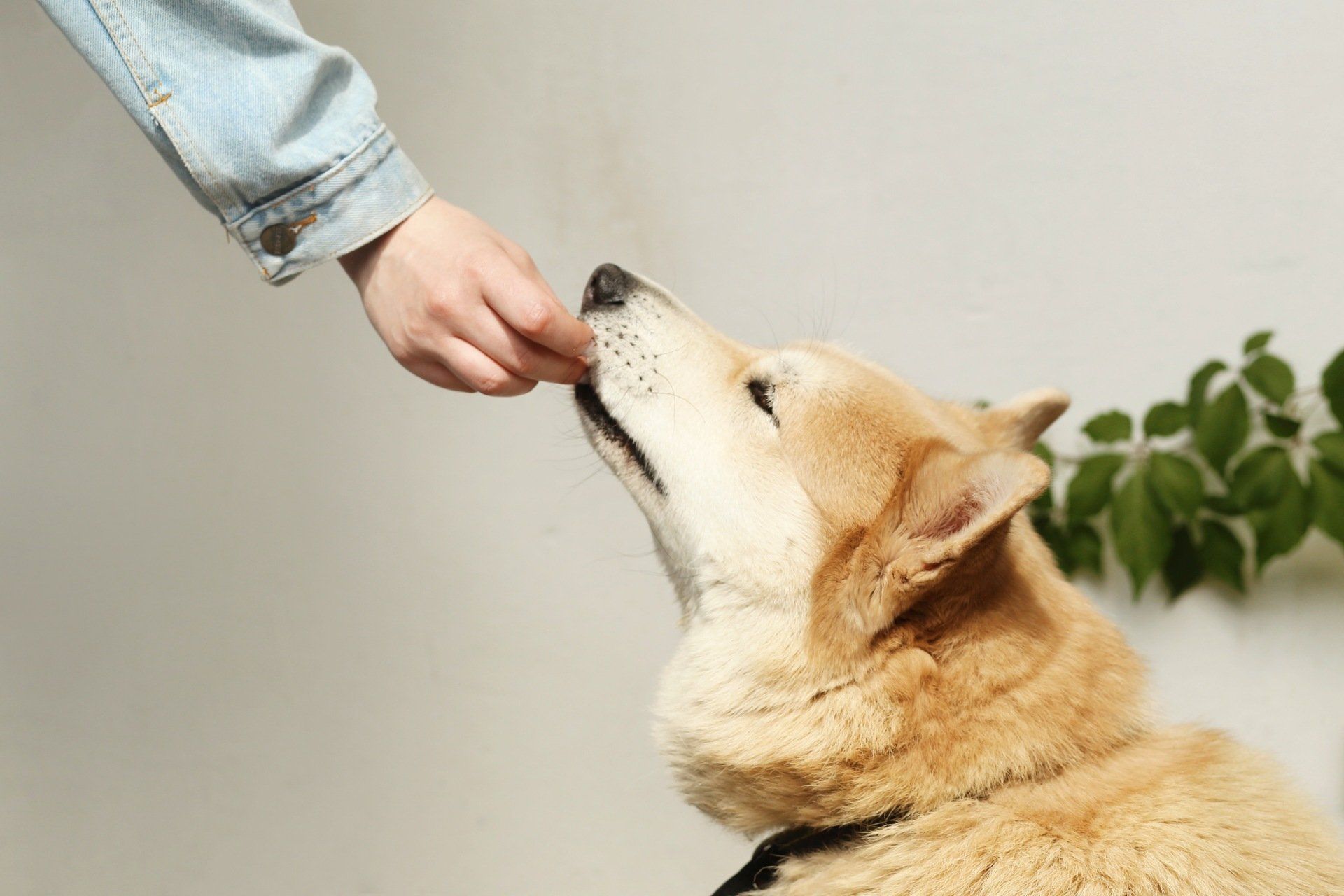
Make a point of taking your pup outside shortly after mealtimes, after they have had a good drink of water, and after a good play session. It is best to always take your puppy out the same door and give them access to the same part of the yard - establishing habits related to routine and familiarity. This will teach them to go to that same door when they feel the urge to potty. It is also a good idea to use a cue such as “go potty” when you are bringing them outside, this will train them to understand what you want from your pup while outside. Make sure you do not use this time to play, but rather patiently wait for your pup to do their business and once that happens it’s time to let them know that they have done something really good by gentle praise and touch, maybe giving him a treat, and most importantly , allowing your pup to sniff around a bit AFTER going potty. This is called Positive reinforcement. Giving your pup a reward or rewarding association, is always the best way to teach a puppy when they have done something you like and it will encourage them to do the behavior you like over and over again.
If you are unable to keep an eye on your pup for extended periods of time, you may want to consider crate training him. Please review our crate training blog for fabulous easy to understand instructions. We know that crates look like little jail cells to us but the benefits of crate training well out way replacing carpets or having to bring in a professional rug cleaner, because once a pup starts going potty in the house, it is extremely challenging to fix the problem without a solidly clean floor, free of potty smells. A dogs sense of smell is 300 times more enhanced than ours, so were we are not able to see or smell the potty on the floor, your pup can and will - and think it is ok to go potty inside simply because their scent is there! Although there are exceptions to the rule, most puppies will avoid using the area where they rest as a place to poop or pee, as they have a basic desire to keep their “den” clean. However, don’t keep your pup in there too long! The rule of thumb is they will need to potty however many months old they are plus 1. So, if your pup is 3 months old, they will only be able to hold it for four hours. Lastly, you never want to use the crate as a punishment area. Your pups crate is meant to be your puppy’s safe place where they are comfortable and able to sleep and relax. If you put them in the crate as a punishment when they make a mistake, they will associate the crate with a bad experience and it will ultimately have the opposite effect on your puppy.
Remember that accidents are bound to happen, so don’t get mad or frustrated with your pup. Your pup will remember and associate going potty with yelling and physical punishment, which can cause your puppy to not go potty in front of you, and even seek out a private place away from you to go potty . These bad experiences will only teach your puppy that going potty makes you upset and scary, which can lead to other bad behaviors later on down the road.
Patience, vigilance and consistency
matched with supervision, routine, limited freedom and praise –
that’s the key to a potty trained puppy!
Puppyhood goes fast. The foundation you build right now is the one you'll live with.
If you want to make sure you're getting it right — without second-guessing every decision — we're here. Noble Beast has been guiding Denver families through puppyhood for over 17 years, and we make it fun.
Our Playful Pup Class is specifically designed for puppies and their people — socialization, early skills, and a whole lot of joy.
Read about the Playful Pup Class →https://www.noblebeastdogtraining.com/enroll-in-a-playful-pup-class
And if you want ongoing support as your pup grows?
Becoming Noble is our online community where certified trainers answer your real questions — for every stage of your dog's life, not just the puppy phase.
Explore Becoming Noble →https://www.noblebeastdogtraining.com/BecomingNoble