


Your Dog Is Reading You: What Human Facial Expressions May Mean to Dogs
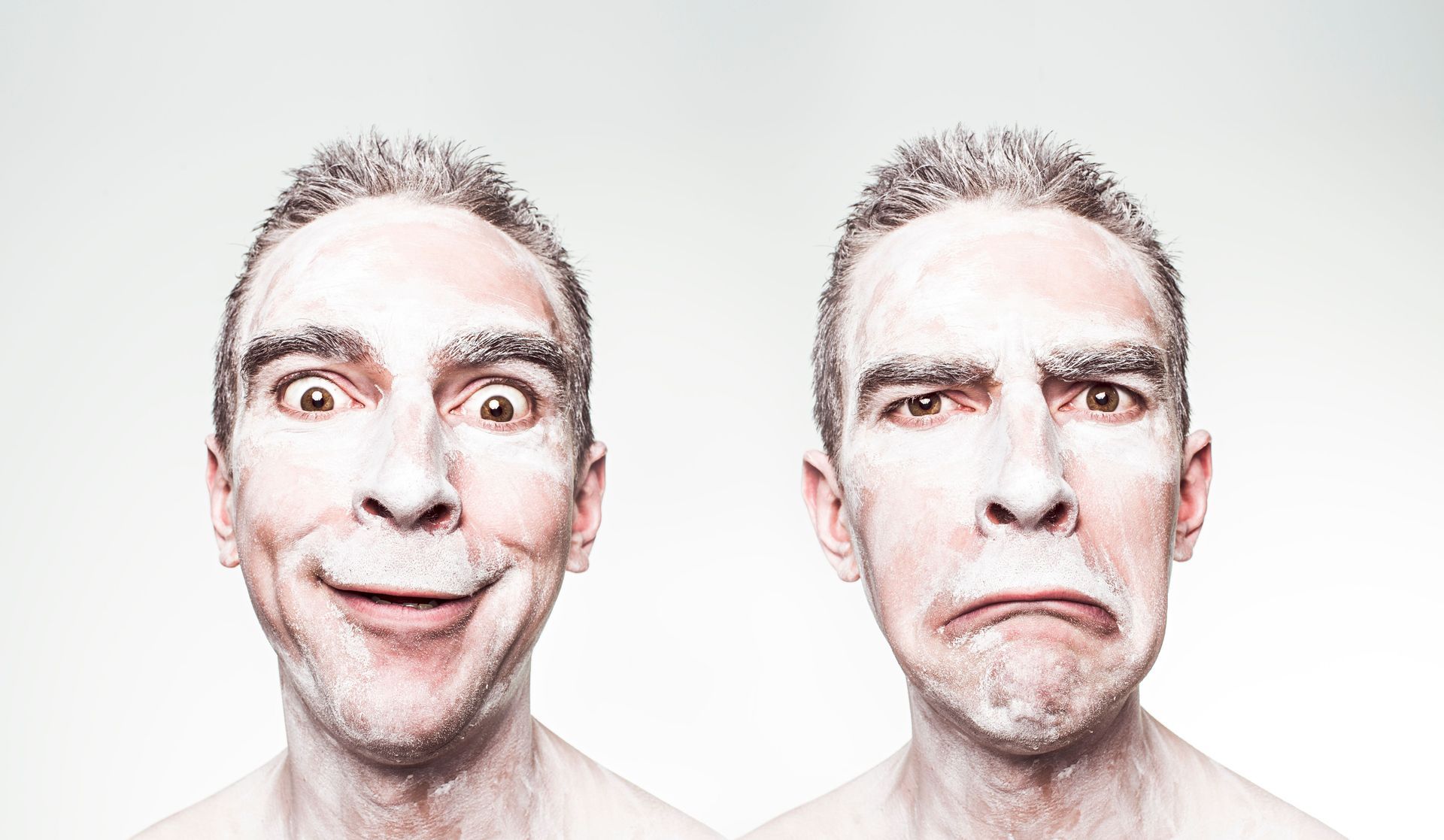
We spend a lot of time thinking about what we say to our dogs...
Sit. Stay. Come. Leave it. Good dog.
But while we are concentrating on our words, our dogs may be paying attention to an entirely different conversation: our face, posture, breathing, movement, and the tension in our body. Research into how dogs process human facial expressions gives us another reason to think more deeply about what is happening on the human end of the leash.
Short answer:
Dogs can distinguish some human facial expressions, and happy faces appear to produce different brain responses than neutral or negative expressions. In everyday life, however, dogs use much more than a still face; they also notice movement, voice, scent, context, and learned routines.
Can Dogs Read Human Facial Expressions?
Yes, dogs appear able to tell at least some human facial expressions apart. A 2026 brain-imaging study found different patterns of neural activity when awake pet dogs viewed photographs of unfamiliar people showing happiness, anger, fear, sadness, or neutrality.
That does not mean dogs interpret every expression exactly as people do. It means the human face contains information that the canine brain processes differently depending on the expression.
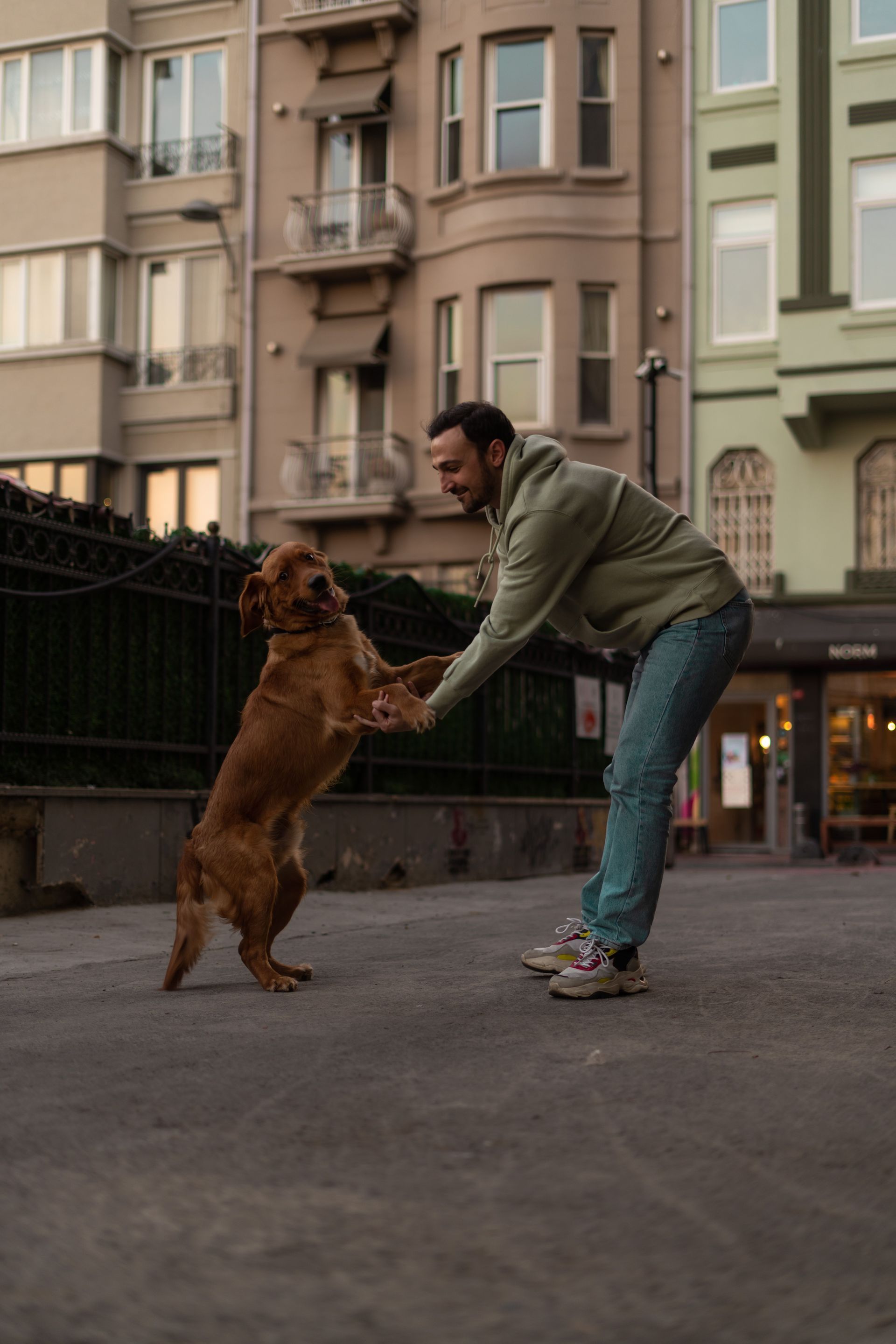
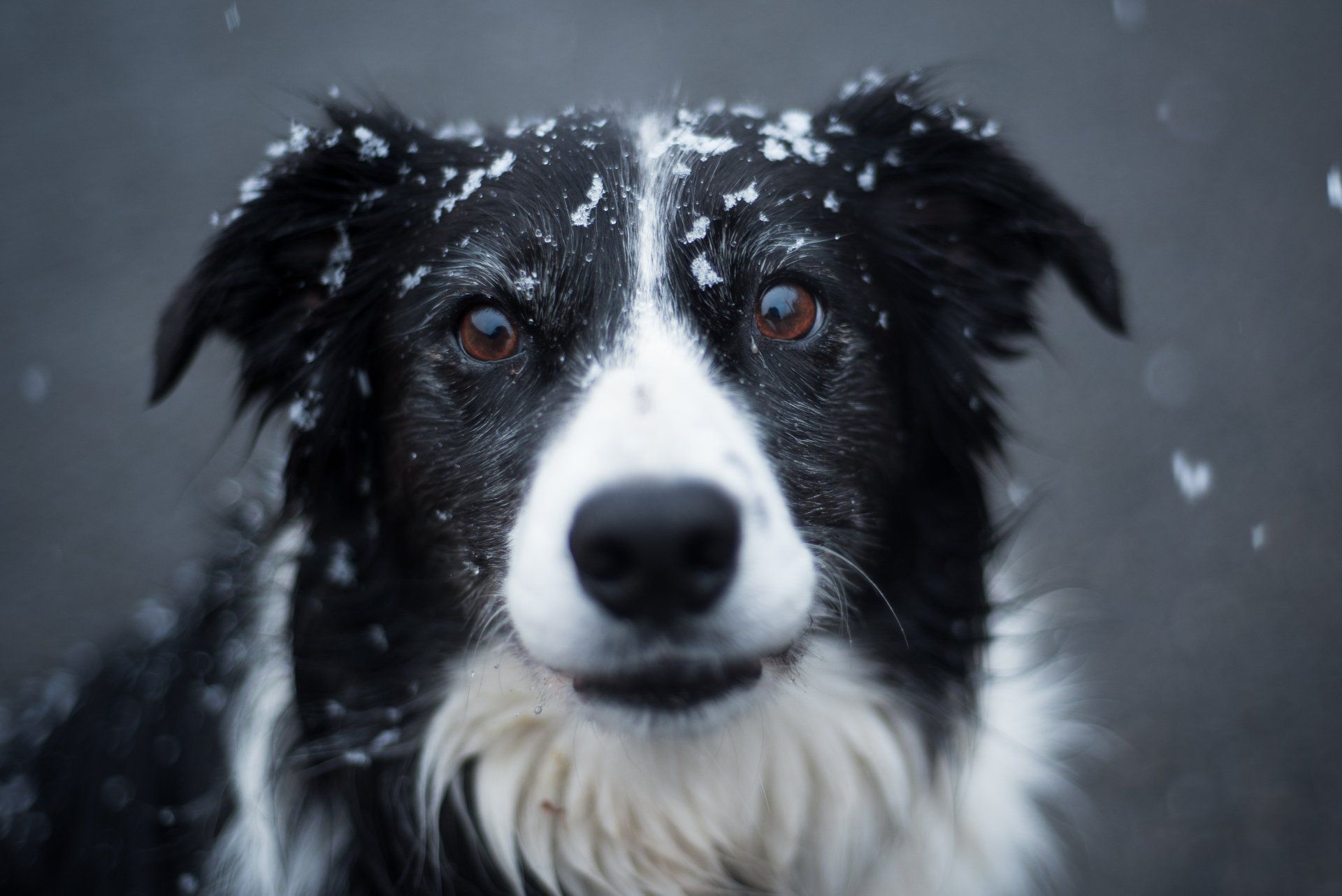
For anyone who lives closely with a dog, this probably feels familiar. Dogs watch us. Closely.
What the 2026 Brain Study Found
Researchers conducted two functional magnetic resonance imaging, or fMRI, experiments with awake pet dogs. In the first experiment, eight dogs viewed happy and neutral faces. Happy faces produced a stronger response in a right temporal brain region that extended into the caudate nucleus, an area associated with reward processing.
In the second experiment, twelve dogs viewed unfamiliar faces showing happiness, anger, fear, and sadness. A machine-learning classifier distinguished happiness from each of the three negative expressions within the happiness-sensitive region. Whole-brain analyses also distinguished anger from fear and sadness from fear, but did not distinguish anger from sadness.
What the Study Supports—and What It Does Not Prove
- What the study supports: The findings show that dogs’ brains respond differently to some human facial expressions. Happy faces produced a distinctive response compared with neutral and negative expressions. In some analyses, the dogs’ brain-activity patterns also distinguished fear from anger and fear from sadness. This suggests that human faces contain meaningful social information for dogs.
- What the study does not prove: The research does not show that dogs understand every human emotion exactly as people do. It does not mean that a person’s facial expression alone controls a dog’s behavior or that dogs rely only on faces to understand us. It also does not mean that a tense or worried owner causes a dog’s fear or reactivity. In everyday life, dogs also use our voice, movement, posture, scent, surroundings, and their past experiences to understand what is happening.
The researchers used still photographs of unfamiliar people in a scanner. Real life is more complex. Outside the scanner, dogs also hear our voices, smell changes in us, watch our movement, and use the history of what has happened in similar situations.
Think About What Your Dog Sees
Imagine asking your dog to come.
Your words say, “Come!” But your face is tense. Your eyebrows are drawn together. Your jaw is tight. You are leaning forward. Maybe you have already called three times and are becoming frustrated.
From the human perspective, the message seems obvious: I am asking you to come.
From the dog’s perspective, much more information may be arriving at once. Your voice says one thing. Your face says something else.
Your posture, movement, distance, and training history add more information. The dog has to make sense of the whole picture.
This is one reason dog training cannot be reduced to commands and responses. There are always two nervous systems participating in the interaction.
Dogs Are Careful Students of Human Behavior
Dogs spend an extraordinary amount of time observing us. They learn the sound of the refrigerator opening. They know the difference between work shoes and hiking shoes. They notice when you pick up the leash and recognize the routines that happen before dinner.
Many dogs seem to know we are leaving before we have consciously done anything obvious. They are constantly collecting information.
Your dog does not need to understand the sentence, “I am feeling stressed today.” Observable changes in your body, voice, movement, and routine may already be providing information.
This is not telepathy, and it is not a reason to blame yourself for having emotions. It is normal social learning between two species that live closely together.

Why Human Body Language Matters When a Dog Is Struggling
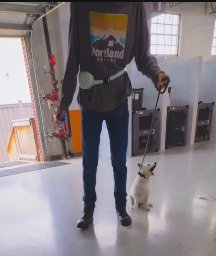
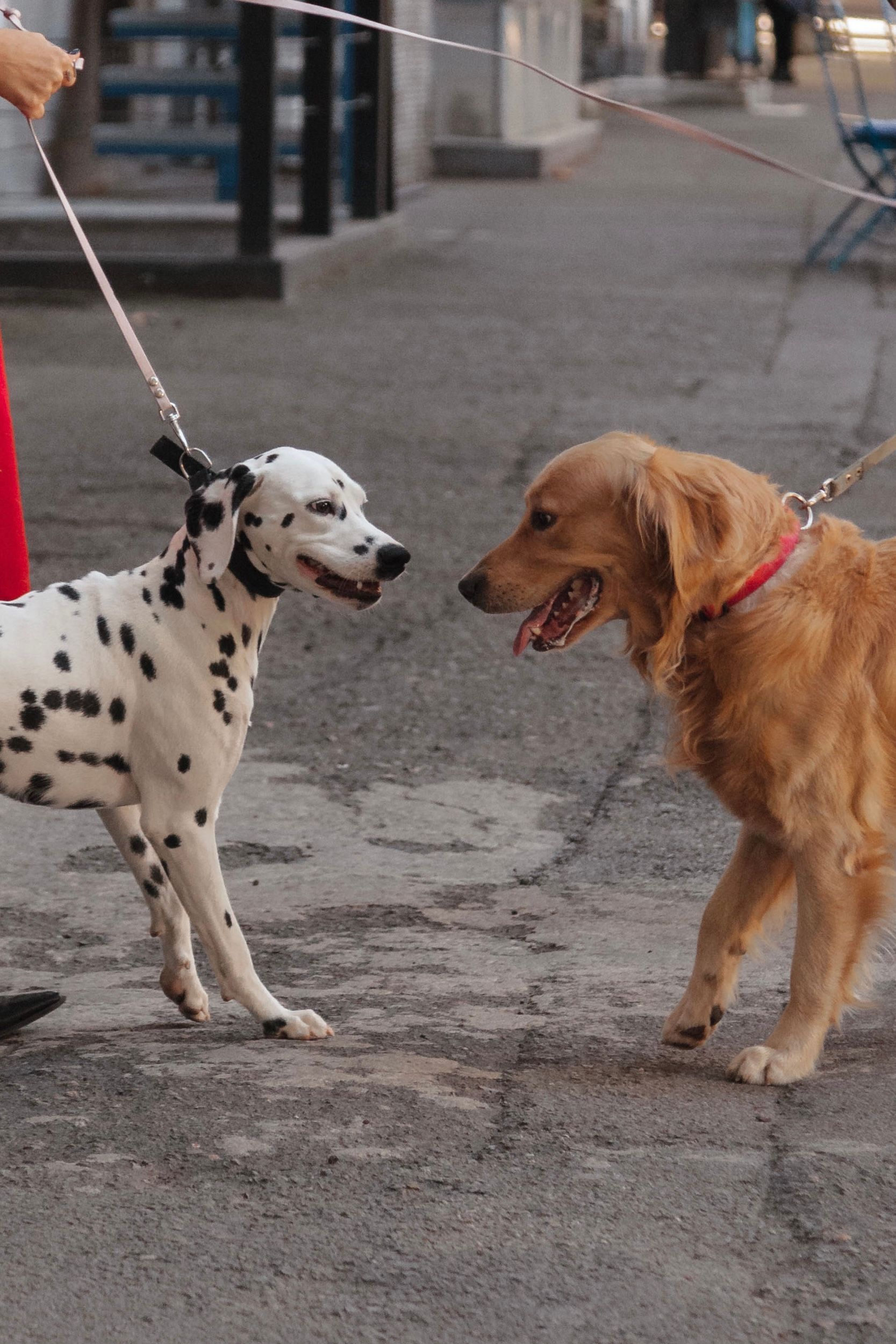
Consider a dog who reacts toward other dogs on walks. The person sees another dog approaching. Their breathing changes. Their hand shortens the leash. Their face becomes tense. Their attention locks onto the approaching dog. Then they say, “It’s okay.”
The words may say everything is okay. The rest of the person may communicate, Something important is happening. Pay attention.
This does not mean the person caused the dog’s reactivity. Reactivity can involve fear, frustration, past learning, distance, pain, genetics, arousal, or other factors. The person is simply one part of the environment the dog is experiencing.
That gives us something useful to work with. When we become more aware of what we are doing, we can often make our cues clearer and create a better learning situation.
Denver dog owners working through leash reactivity, fear, or intense responses around other dogs can learn more about
Noble Beast’s Prickly Pooch reactive-dog classes.
Dogs whose needs do not fit a group setting may benefit from private in-home training.
Your Body Is Part of Your Training
At Noble Beast, we believe good dog training requires awareness at both ends of the leash. We teach dogs skills, and we also help people become more aware of what they bring into the interaction.
Sometimes that means noticing your breathing, loosening your shoulders, or softening your eyes. Sometimes it means changing your position rather than repeating a cue. Sometimes it means recognizing that you are frustrated and giving both yourself and your dog a moment before continuing.
This is not about pretending to be calm. Dogs are observant. It is about genuinely noticing your own state and deciding whether the current moment is a good time to teach.
How to Communicate More Clearly When Your Dog Is Overwhelmed
If your dog avoids you after you have repeated a cue: Pause instead of saying the cue again or saying it more loudly. Give your dog a moment to process what is happening, then make the request easier if needed.
If your dog backs away from your body: Turn slightly sideways and create more space. A less direct position may feel clearer and less socially intense.
If your dog watches your face or hands intensely: Soften your posture and slow your movements. Quick movements, leaning forward, or intense focus can add pressure for some dogs.
If your dog pulls or reacts on the leash: Increase the distance from the trigger when it is safe to do so. Try to reduce unnecessary leash tension rather than holding your dog close to the situation.
If your dog struggles to focus: Lower the difficulty and ask for a simple behavior your dog can successfully complete. Reward that success before deciding whether to continue.
These changes are not magic solutions, and they will not resolve every behavior challenge. They are simple ways to reduce conflicting information and make the training interaction easier for your dog to understand.
Try a Simple Experiment With Your Dog
Before asking your dog to do anything, pause for a moment and notice yourself.
- Is your jaw relaxed?
- Are your eyes soft or intensely focused?
- Where are your shoulders?
- How quickly are you breathing and moving?
- Are you standing over your dog or giving the dog comfortable space?
Then interact with your dog and observe what changes. Your dog may approach more readily when you turn sideways, relax when you stop staring directly, respond differently when your voice becomes warmer, or stay engaged longer when your body is not hovering.
Do not force an outcome. The goal is observation. Small observations are where relational intelligence begins.
Communication Is Bigger Than Commands
A traditional description of training can sound like a one-way process: the human gives a cue, the dog responds, and the human rewards or corrects the response.
Real relationships are more dynamic. Your dog responds to you. You respond to your dog. Your dog responds to your response, and you adjust again. A conversation is happening constantly—sometimes without a single word.
Clear training does not require you to control every facial expression or be perfectly calm. No one can do that, and dogs do not need perfect people. Awareness simply gives you more information and more choices.
Become Someone Your Dog Can Read Clearly
When your dog is struggling, ask yourself:
What am I communicating right now?
Not only with your words, but with your face, body, breathing, leash, movement, and attention.
Then ask:
Is what I am communicating helping my dog understand what I want them to know?
That question changes training because our dogs are always learning about us while we are busy trying to teach them.
There are always two learners in the room.
When Individual Training Can Help
If communication becomes difficult because your dog is fearful, reactive, distracted, or overwhelmed, individualized support
can help you see the full interaction more clearly. Noble Beast’s private dog training in Denver can address the dog,
the person, and the environment together. Virtual training may also be useful when the behavior is easier to
observe at home or distance makes in-person support difficult.
The goal is not to blame the person or control the dog.
It is to make communication clearer and help both learners feel more successful.
Questions and Answers About Dogs and Human Expressions
Can dogs tell when a person is happy? Dogs appear able to distinguish happy human faces from neutral and negative expressions. In the 2026 fMRI study, happy faces produced distinctive activity in a right temporal region extending into the caudate nucleus.
Can dogs tell the difference between fear, anger, and sadness? The study found whole-brain patterns that distinguished fear from anger and fear from sadness, but not anger from sadness. The small sample and controlled scanner setting mean the results should be interpreted carefully.
Can my stress make my dog reactive? Your stress does not automatically cause your dog’s reactivity. Dogs may notice changes in your breathing, posture, movement, voice, and leash handling, and those signals can become part of the situation. Reactivity usually has multiple contributors and should not be reduced to owner emotion alone.
Why does my dog respond differently when I change my posture? Dogs use body position, movement, distance, gaze, and past experience to interpret an interaction. Turning sideways, creating space, or moving more slowly may feel clearer or less socially intense to some dogs.
Should I avoid eye contact with my dog? Not always. Comfortable social eye contact can be meaningful and enjoyable. Prolonged staring or leaning over a worried dog may feel intense, however. Watch the individual dog’s body language and choose an interaction that helps the dog remain comfortable and engaged.
Can dogs read our minds? No evidence shows that dogs literally read minds. They are skilled observers who learn from facial expressions, body language, voice, scent, routines, and context.
Clearer Communication Starts With Awareness
We do not need to control every expression or worry that one stressful day will damage our dogs.
What we can develop is awareness.
Your dog is responding to you, and you are responding to your dog.
When we recognize both sides of that conversation, training becomes more thoughtful, humane, and effective.
If you want help understanding what is happening between you and your dog, explore Noble Beast’s Denver dog-training services or contact our team to discuss the most appropriate next step.
About Noble Beast Dog Training in Denver
Noble Beast Dog Training has provided relationship-focused dog training in Denver since 2008.
Noble Beast is recognized as a Denver Legacy Business and is the only dog-training company on that list. Our trainers help dogs and their people communicate more clearly through group classes, private training, virtual support, and behavior-focused programs.
Noble Beast Dog Training
4335 Vine Street, Denver, CO 80216
Want Support Like This Whenever You Need It?
Becoming Noble is the online community of Noble Beast Dog Training — an intentional, ad-free space where dog owners get real guidance from professionals with 18+ years of experience and more than 23,000 clients. Weekly expert content, live events, a resource library, and a community that takes your dog's wellbeing as seriously as you do.
No shame, no noise — just depth, connection, and people who get it.
If you would prefer hands-on help with communication, fear, or reactivity,
explore private dog training in Denver or learn about Prickly Pooch reactive-dog classes.
References
[1] Hernández-Pérez et al., Dog brain representations of human facial expressions, iScience, 2026